
The Heart of the North: A 310T Mechanic’s Guide to Canadian Diesel and Heavy Equipment
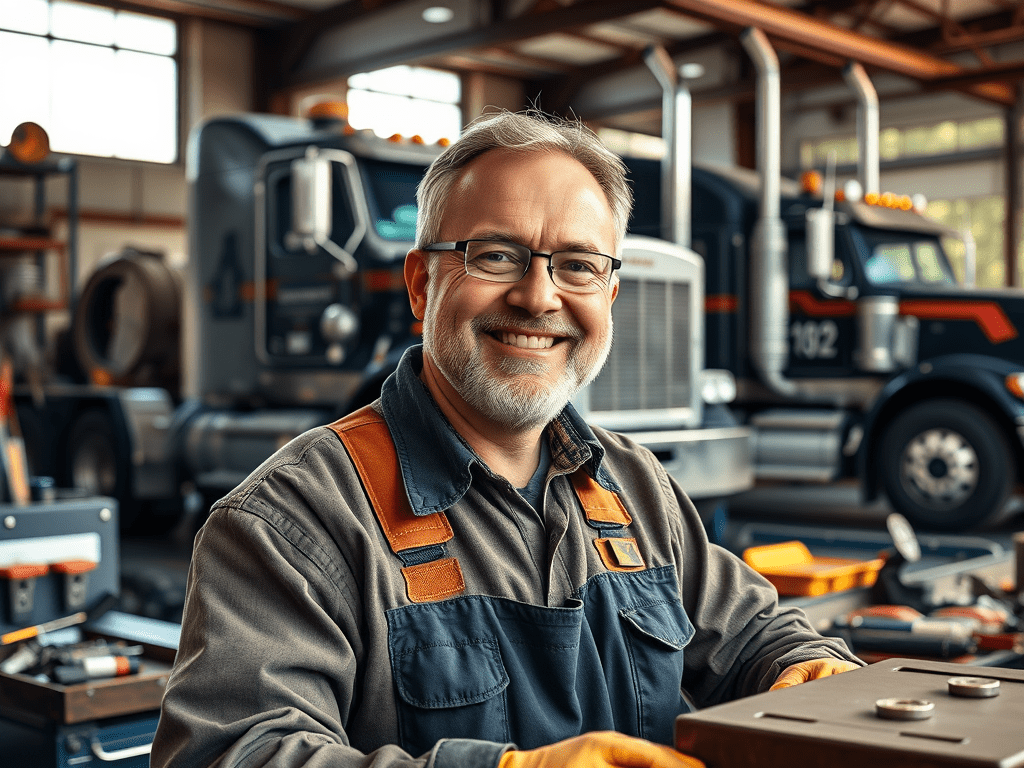
Hey there, fellow gearheads and aspiring wrench-benders! As a 310T mechanic myself, I’ve spent countless hours turning wrenches, diagnosing complex issues, and keeping the lifeblood of Canadian industry — diesel trucks and heavy equipment — running smoothly. It’s a challenging, rewarding, and constantly evolving field, and if you’re looking to get into it, you’ve come to the right place.
The Beasts of Burden: Canadian Diesel Trucks and Heavy Equipment
Canada’s vast landscapes, harsh weather, and resource-rich industries demand robust and reliable machinery. From the bustling highways to the remote logging camps and mining operations, diesel power reigns supreme.
On the Road:
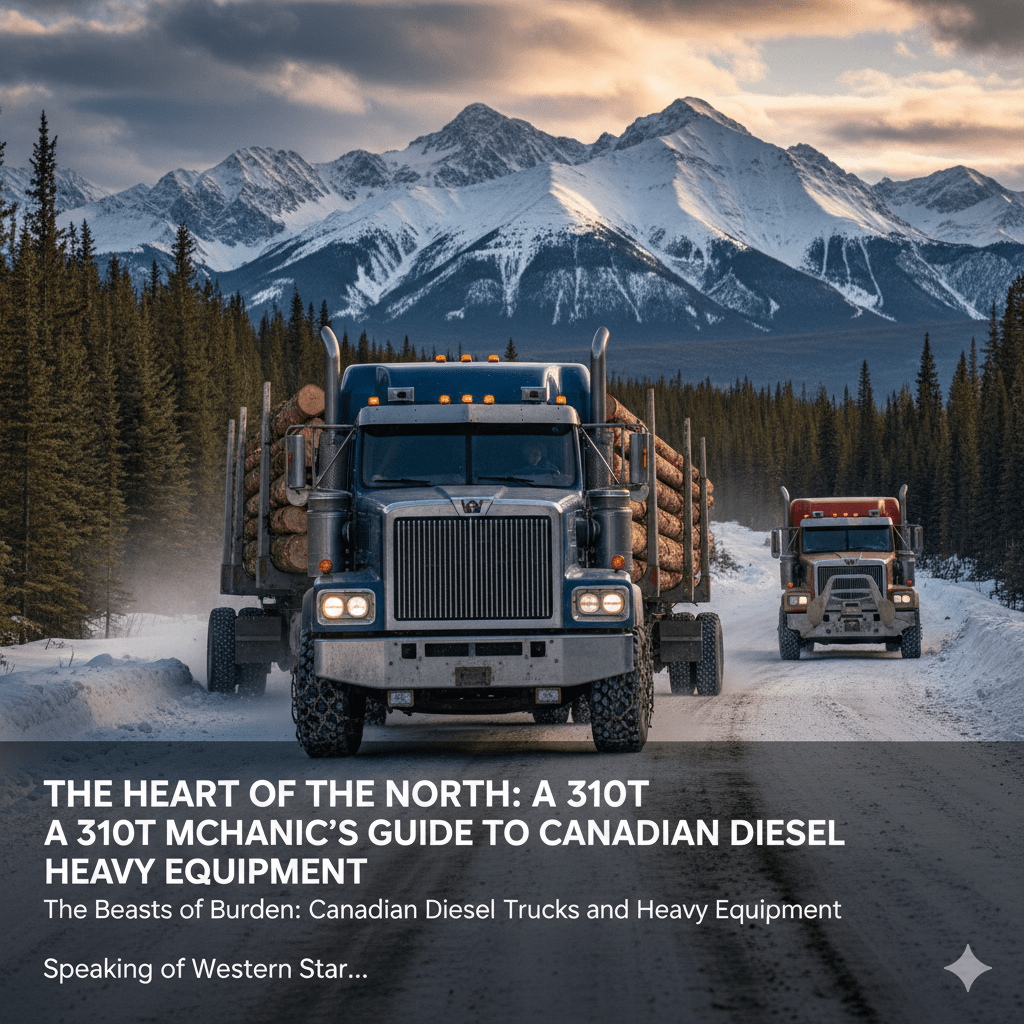
When you think of Canadian trucking, you’re picturing the backbone of our economy. Long-haul trucks, often pulling B-trains across the prairies or navigating the winding mountain passes, are a common sight. Brands like Peterbilt, Kenworth, Freightliner, Volvo, and, of course, the iconic Western Star dominate our roads.
Speaking of Western Star, their history is deeply intertwined with the rugged demands of North America, particularly in heavy-duty applications. Originally founded in 1967 as White Western Star, a division of White Motor Company, they were specifically designed to tackle the toughest jobs in the logging, oil and gas, and construction industries of the West. Their reputation for durability and customizability quickly grew, making them a favourite among owner-operators and fleets facing extreme conditions. Over the decades, Western Star has changed hands a few times, eventually becoming part of Daimler Trucks North America. Despite the changes, they’ve maintained their core identity: building purpose-built, severe-service trucks known for their strength and longevity. You’ll still see plenty of classic and modern Western Stars earning their keep across Canada.
Off the Road:
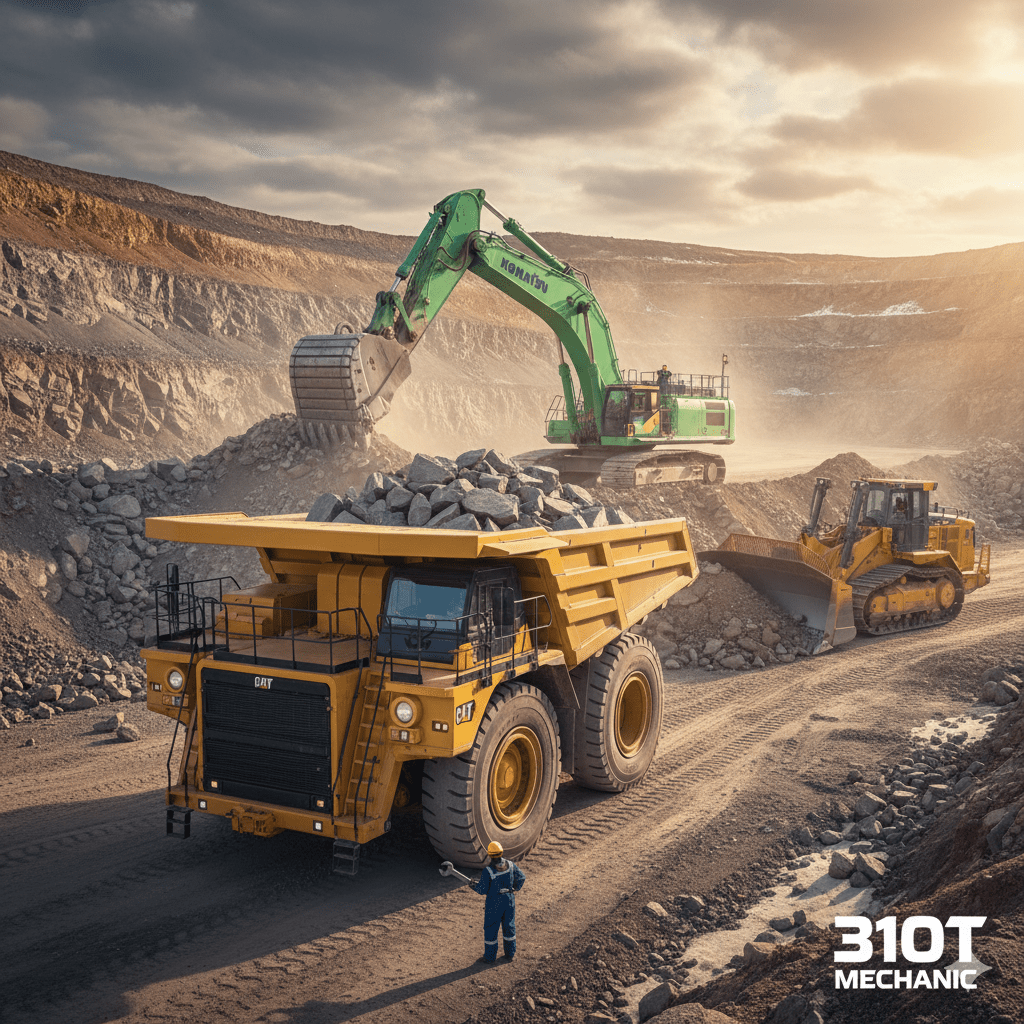
Heavy equipment is where the true giants roam. In construction, mining, forestry, and agriculture, you’ll find everything from massive excavators, bulldozers, wheel loaders, and graders to articulated dump trucks and specialized logging machinery. Caterpillar, Komatsu, John Deere, Volvo, Hitachi, and Liebherr are just a few of the major players whose machines we keep running. These aren’t just big machines; they’re complex systems with advanced hydraulics, electronics, and powerful diesel engines designed to operate in the harshest environments imaginable.
Getting Your 310T Mechanics License (or Equivalent)
If you’re looking to become a certified truck and coach technician in Canada, the 310T is your ticket in Ontario. Other provinces have similar certifications, often under different names, but the core apprenticeship and examination process is quite similar across the country.
Here’s the general path:
- Apprenticeship: This is the most common route. You’ll need to find an employer willing to take you on as an apprentice. This is hands-on training where you learn on the job under the guidance of a licensed mechanic. Apprenticeships typically last around four years (6,000-8,000 hours, depending on the province) and involve a combination of on-the-job training and in-school technical training at a college or trade school.
- In-School Training: During your apprenticeship, you’ll complete several levels of in-school technical training. These courses cover everything from basic safety and hand tools to advanced diagnostics, engine repair, electrical systems, and heavy-duty braking systems.
- Certification Exam: Once you’ve completed your apprenticeship hours and technical training, you’ll be eligible to write the provincial certification exam. This exam tests your knowledge across all aspects of the trade. Passing this exam grants you your Certificate of Qualification (CofQ) and allows you to legally work as a licensed 310T Truck and Coach Technician (or equivalent in your province).
- Red Seal Endorsement: Many provincial certifications are also “Red Seal” endorsed. This means your certification is recognized across Canada, making it easier to work in different provinces without having to re-certify. This is a huge advantage for mobility within the trade.
Key Skills and Qualities:
- Mechanical Aptitude: You need to have a natural understanding of how things work.
- Problem-Solving Skills: Diagnosing issues in complex systems requires a sharp mind.
- Attention to Detail: Precision is crucial, especially with safety-critical components.
- Physical Stamina: It’s a demanding job that often involves heavy lifting and working in various conditions.
- Continuous Learning: Technology in diesel engines and heavy equipment is always advancing, so you’ll need to stay updated.
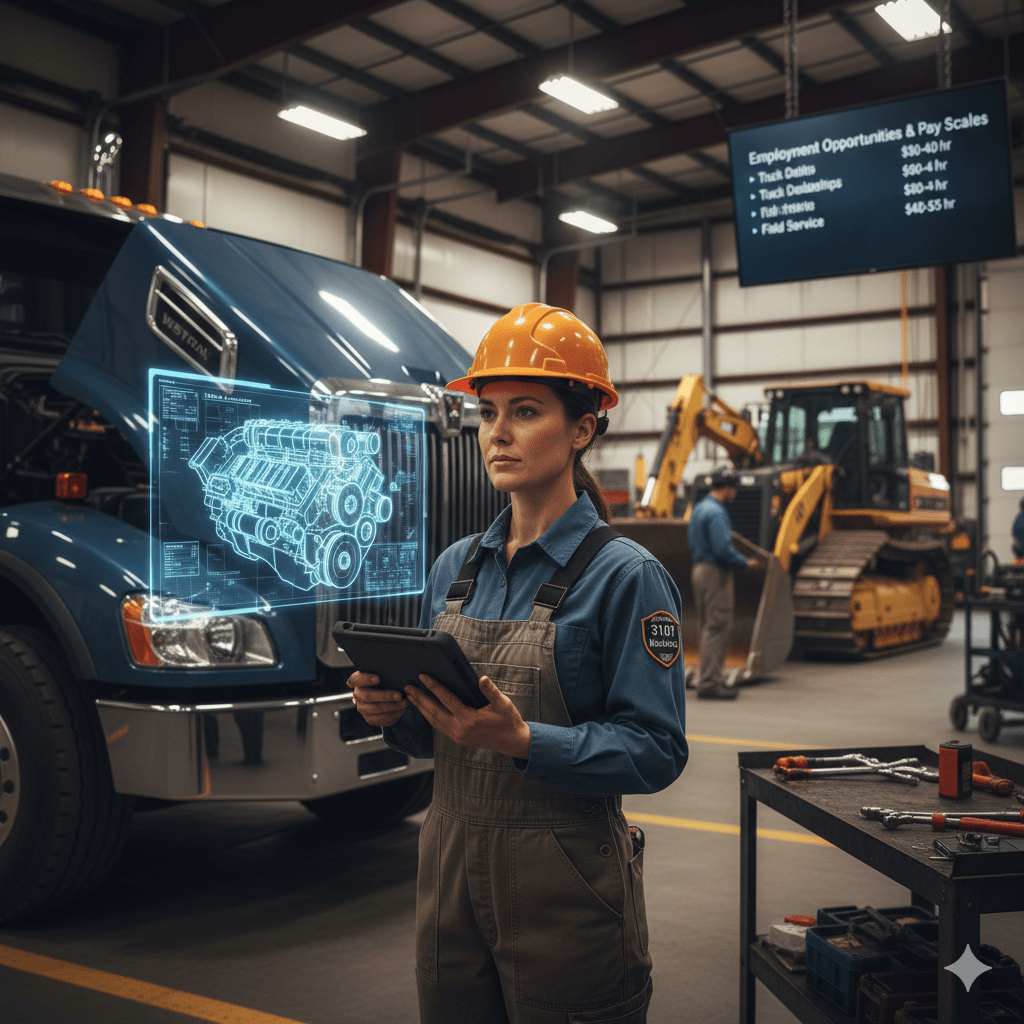
Employment Opportunities and Pay Scales
The demand for skilled 310T mechanics (and equivalents) across Canada is consistently high. Our economy relies heavily on transportation, logistics, construction, and resource extraction, all of which need these vital machines to operate.
Employment Opportunities:
- Truck Dealerships: Working on specific brands like Peterbilt, Kenworth, Volvo, Freightliner, or Western Star.
- Independent Repair Shops: Servicing a variety of truck and trailer makes.
- Heavy Equipment Dealerships: Specializing in brands like Caterpillar, Komatsu, John Deere.
- Construction Companies: Maintaining their own fleets of heavy equipment.
- Mining Operations: Often in remote locations, working on massive off-highway trucks and machinery.
- Forestry Companies: Maintaining logging equipment.
- Municipalities/Government: Working on public transit buses, utility trucks, and other fleet vehicles.
- Fleet Maintenance: For large transportation companies.
- Field Service: Traveling to job sites to repair equipment in the field (this often requires advanced experience).
Pay Scales:
Pay can vary significantly based on experience, location, specific industry, and whether you’re working in a unionized environment.
- Apprentices: Typically start at a percentage of a journeyperson’s wage, increasing as you progress through your apprenticeship levels. Expect anywhere from $18-$28 per hour as a starting point.
- Licensed 310T Mechanics (Journeypersons):
- Entry-Level (1-3 years experience): Can expect to earn $30-$40 per hour.
- Experienced (3-10+ years experience): Wages often range from $40-$55+ per hour.
- Specialized Roles/Field Service/Supervisory: Highly experienced or specialized mechanics, especially those in remote locations or taking on supervisory roles, can command $60+ per hour, and often much higher with overtime and bonuses.
Many positions also come with benefits packages, including health, dental, and retirement plans. Overtime is frequently available, especially in busy seasons or for emergency repairs, which can significantly boost your annual income.
Is it the Right Career for You?
Becoming a 310T mechanic is not just a job; it’s a career with excellent stability and growth potential. It’s for those who love to get their hands dirty, enjoy solving complex puzzles, and take pride in keeping Canada moving. The work is challenging, but the satisfaction of bringing a powerful machine back to life is immense. If you have a passion for diesel engines and heavy machinery, a strong work ethic, and a desire to continuously learn, then this might just be the perfect path for you.
 Canadian Country Life
Leave a comment