Tapping into Sweet Success: An In-Depth Look at the Canadian Maple Syrup Industry
Canada and maple syrup go hand-in-hand, a delicious and iconic pairing recognized worldwide. Beyond being a breakfast staple, maple syrup represents a significant and thriving industry in Canada, deeply rooted in history, tradition, and a commitment to quality. Let’s delve into the fascinating world of Canadian maple syrup, from tree to table.
A Legacy of Sweetness: The History of Maple Syrup in Canada
The art of tapping maple trees for their sweet sap predates European settlement. Indigenous peoples of North America were the first to discover and perfect the process, boiling down the sap to create a concentrated sweetener. This knowledge was passed down through generations and eventually shared with early European settlers, who quickly adopted the practice.
For centuries, maple syrup production was a spring ritual, a welcome sign of warmer weather and a vital source of sugar. While the basic principles remain the same, modern technology has transformed the industry, allowing for greater efficiency and production while still maintaining the authentic taste and quality.
Where the Magic Happens: Canada’s Maple Regions
While maple trees grow across many parts of Canada, the vast majority of maple syrup production is concentrated in a few key provinces.
- Quebec: The undisputed leader, Quebec accounts for over 70% of the world’s maple syrup production. Its climate and extensive maple forests provide the ideal conditions for bountiful harvests.
- Ontario: The second-largest producer, Ontario boasts numerous maple syrup operations, particularly in its eastern and central regions.
- New Brunswick: This Atlantic province also contributes significantly to Canada’s maple syrup output, known for its rich, robust flavors.
- Nova Scotia: Though a smaller producer, Nova Scotia’s maple syrup is highly regarded for its unique terroir.
From Sap to Syrup: The Production Process
The journey from clear sap to golden syrup is a marvel of nature and human ingenuity.
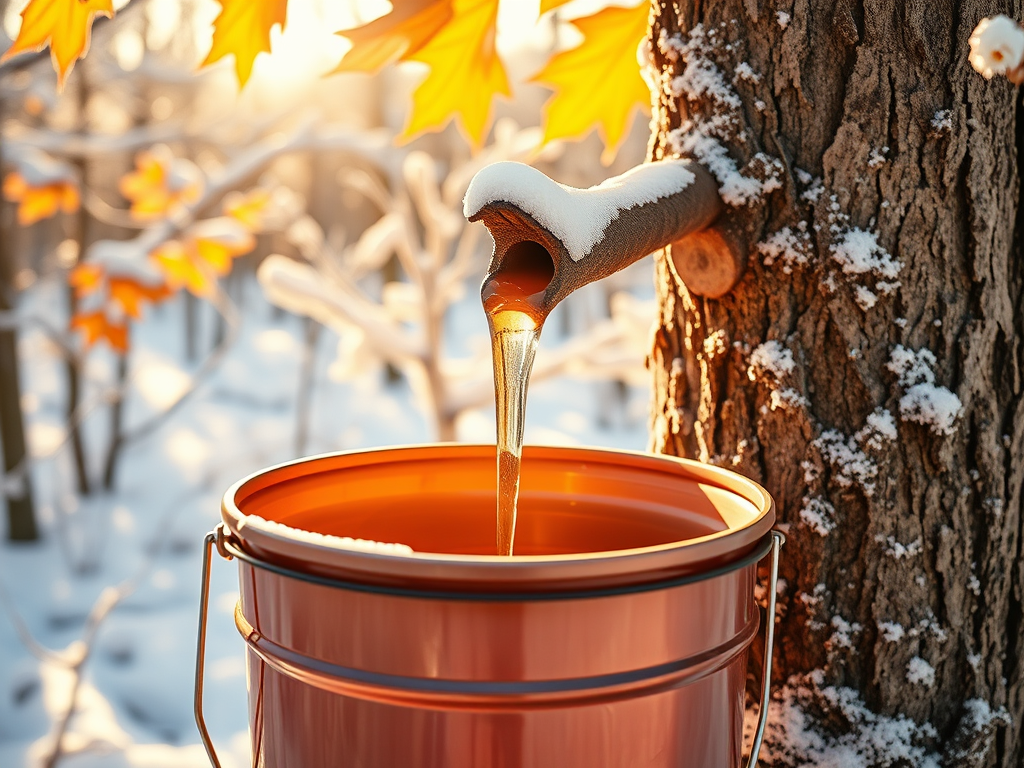
- Tapping: As winter gives way to spring, fluctuating temperatures (freezing nights and thawing days) create pressure within the maple tree, causing sap to flow. Producers drill small holes into the trees and insert spiles, which direct the sap into collection buckets or, more commonly today, into a network of plastic tubing that uses gravity and vacuum pressure to transport the sap to a central sugar bush.
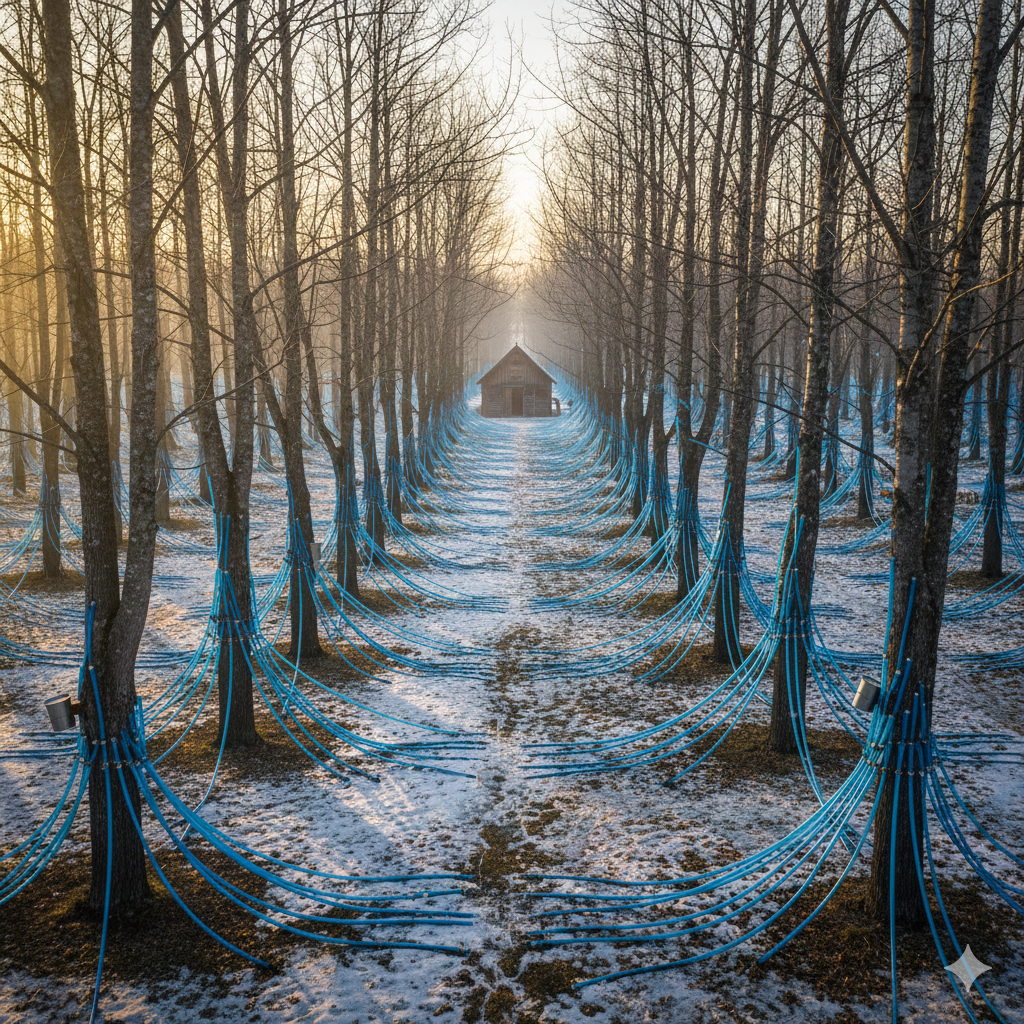
- Collection: The collected sap is primarily water, with a sugar content of only about 2-3%.
- Reverse Osmosis (Optional but Common): Many modern producers use reverse osmosis to remove a significant portion of the water from the sap before boiling. This makes the evaporation process more efficient, saving time and fuel.
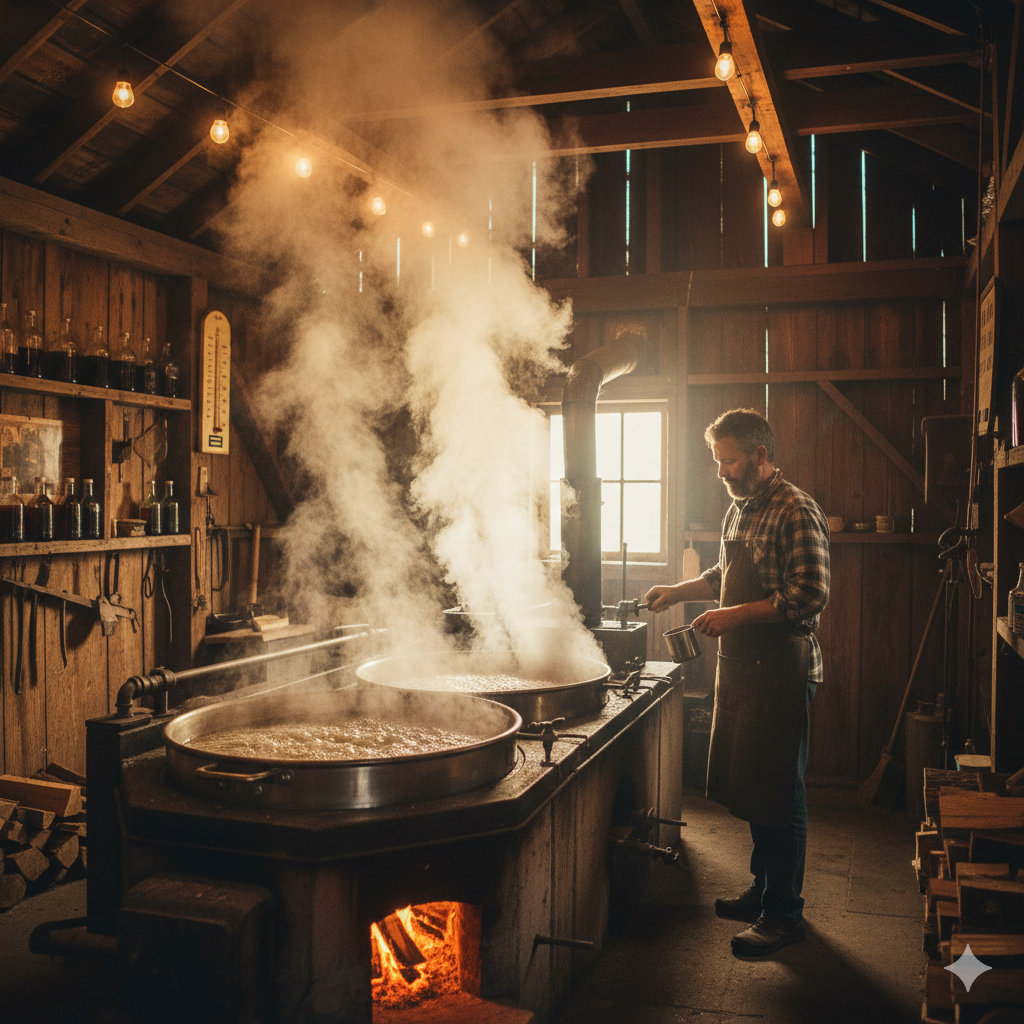
- Boiling/Evaporation: The concentrated sap is then boiled in large evaporators, often wood-fired, until the water evaporates and the sugar content reaches the desired level (66-67% sugar). This intense heat caramelizes the sugars, giving maple syrup its distinctive flavor and color.
- Filtering: The hot syrup is then filtered to remove “sugar sand,” naturally occurring mineral deposits.
- Grading and Packaging: Finally, the finished syrup is graded based on color and flavor and then packaged for sale.
Grading Canadian Maple Syrup
In Canada, maple syrup is graded using a system that considers both color and taste, offering consumers a range of options to suit their preferences.
- Golden, Delicate Taste: Lightest in color, with a mild and subtle maple flavor. Perfect for delicate dishes or those who prefer a less intense sweetness.
- Amber, Rich Taste: The most popular grade, with a beautiful amber hue and a well-balanced, rich maple flavor. Versatile for all uses.
- Dark, Robust Taste: Darker in color with a stronger, more pronounced maple flavor. Excellent for baking, cooking, or for those who love a bold maple taste.
- Very Dark, Strong Taste: The darkest grade, with the most intense maple flavor. Often used in industrial applications or for highly flavorful recipes.
The Economic Impact and Global Reach
The Canadian maple syrup industry is a significant economic driver, providing employment in rural areas and generating substantial export revenue. Canada exports maple syrup to over 60 countries, with the United States, Germany, and Japan being major markets. The industry is also a vital part of Canada’s cultural identity, attracting tourists to sugar bush tours and maple festivals each spring.
Sustainability and Innovation
Maple syrup producers are deeply committed to the health of their maple forests. Sustainable tapping practices ensure the longevity of the trees, allowing them to produce sap for many decades. Research and innovation continue to play a role in optimizing production methods, improving efficiency, and developing new maple products.
Beyond Pancakes: Culinary Uses of Maple Syrup
While pancakes and waffles are classic companions, maple syrup’s versatility extends far beyond the breakfast table. It can be used in:
- Baking: Cookies, cakes, pies, and tarts.
- Cooking: Glazes for meats (pork, salmon), dressings for salads, marinades.
- Beverages: Sweeteners for coffee, tea, cocktails, or as a standalone drink (maple water).
- Desserts: Ice cream, custards, and candies.
The Canadian maple syrup industry is a testament to tradition, innovation, and a deep appreciation for nature’s bounty. So next time you pour that golden elixir, remember the rich history and dedicated work that goes into every delicious drop.
 Canadian Country Life
Leave a comment