Crown Land is one of Canada’s best-kept secrets—though it’s hardly a small one. Covering roughly 89% of Canada’s landmass, these vast areas of public land are managed by the provincial and federal governments, offering a playground for outdoor enthusiasts and a landscape of opportunity for entrepreneurs.
Whether you’re looking for a rugged place to pitch a tent or a unique location for a business venture, here is everything you need to know about the opportunities hidden within Crown Lands.
1. The Ultimate Backcountry Escape
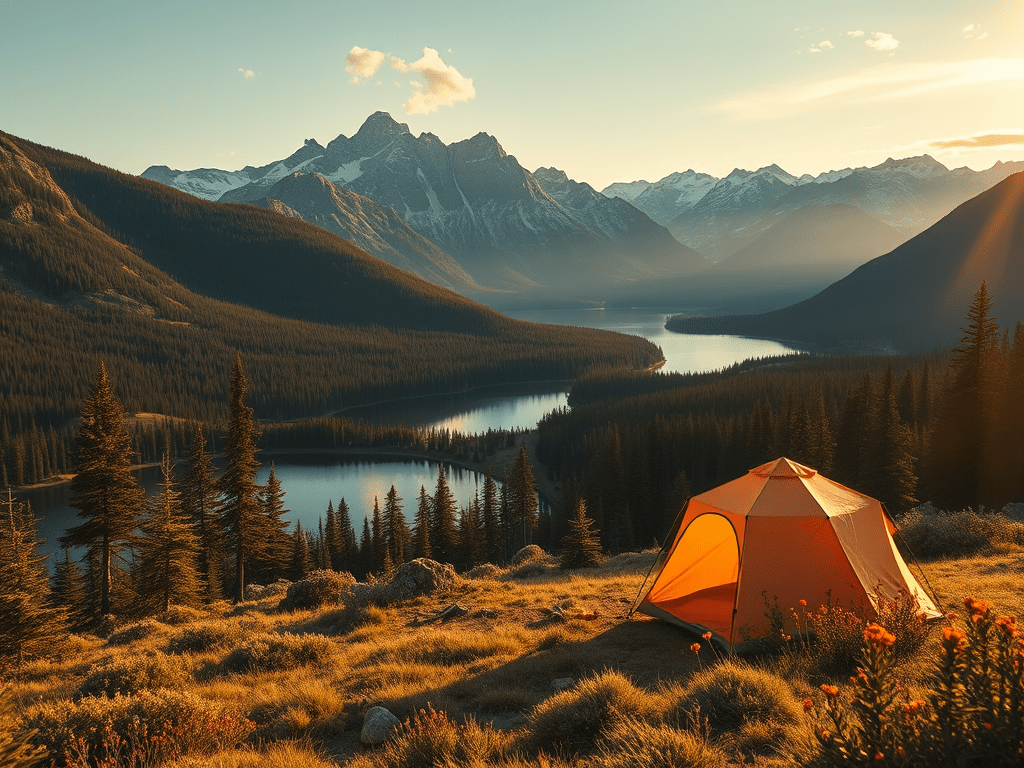
For many, Crown Land is synonymous with free camping. Unlike provincial parks, which often require reservations and offer manicured sites with amenities, Crown Land offers a raw, “off-the-grid” experience.
- The 21-Day Rule: In most provinces (like Ontario and British Columbia), Canadian residents can camp on Crown Land for free for up to 21 days at a single location. After that, you must move your camp at least 100 meters to allow the land to recover.
- Total Self-Sufficiency: There are no picnic tables, fire pits, or trash cans. You must practice Leave No Trace principles—everything you pack in, you must pack out.
- Recreational Freedom: Beyond camping, these lands are open for hiking, fishing, hunting, and berry picking. Many areas also allow for ATVing and snowmobiling, provided you follow local regulations.
2. Economic and Business Opportunities
Crown Land isn’t just for weekends away; it’s a cornerstone of the Canadian economy. The government frequently grants “occupational authority” for various commercial purposes.
- Resource Development: Historically, Crown Lands have supported the forestry, mining, and energy sectors. This includes opportunities for renewable energy projects, like wind farms and solar arrays.
- Commercial Tourism: Entrepreneurs can apply for Land Use Permits or Leases to operate commercial outpost camps, guided hunting or fishing tours, and eco-tourism lodges.
- Agriculture: In parts of Northern Ontario and the West, Crown Land can be leased for agricultural purposes, such as grazing or crop production.
3. How to Find and Use It
Finding the boundaries of Crown Land can be tricky since it often borders private property.
- Use the Atlas: Most provinces provide an online Crown Land Use Policy Atlas. These interactive maps show you exactly where the boundaries are and what activities are permitted in specific zones (e.g., “General Use” vs. “Protected”).
- Check for Restrictions: Some areas are designated as “Green Zones” or “Conservation Reserves” where camping may be restricted or require a permit, especially for non-residents.
- Respect the Land: While the land is public, it is often subject to Aboriginal and Treaty rights. Many Indigenous communities use these lands for traditional activities, and it is vital to remain respectful of the cultural and environmental significance of the area.
Ready to Explore the Wild?
Crown Land offers a sense of freedom that is becoming increasingly rare. These public lands are yours to use if you’re a camper seeking solitude. They are also available if you’re a business owner looking for a new frontier. Just treat them with the respect they deserve.
Most readers probably know Crown Land for the free camping. However, if the government actually sells these parcels, it is a game-changer for individuals and communities. This involves converting them to “Patent Land.”
When the Crown decides to sell, it shifts the land from a “temporary use” status to a permanent asset. This process is usually triggered by a specific application for economic or social development.
1. Security of Ownership (The “Patent” Advantage)
The biggest benefit of buying Crown Land is moving from a lease to a patent (freehold).
- Financing Power: Banks are notoriously hesitant to provide mortgages for buildings on leased Crown Land. This is because they can’t seize the land if you default. Owning the land outright makes it much easier to secure a mortgage or construction loan.
- Asset Appreciation: On a lease, the government captures the rising value of the land. When you own it, you reap the rewards of the property’s appreciation over time.
- No Expiry Dates: Leases usually run for 21 years. Buying the land removes the “ticking clock” and the stress of wondering if the government will renew your permit in two decades.
2. Unlocking Housing and Infrastructure
In many parts of Ontario, especially in the north, towns are literally “landlocked” by Crown Land. Selling these parcels can revitalize a community:
- Expanding Municipalities: Selling Crown Land within or near municipal boundaries allows for new subdivisions, helping to ease the housing crisis in rural hubs.
- Essential Services: Sales often facilitate the construction of waste disposal sites, water treatment plants, or green energy projects (like solar farms) that require permanent, long-term land control.
3. Economic Stability for Small Businesses
For entrepreneurs in the tourism or resource sectors, purchasing the land they operate on provides the stability needed to invest in high-quality infrastructure.
- Tourism Development: A hunting lodge or eco-resort is more likely to build permanent, high-end structures if they own the dirt beneath them.
- Agriculture in the North: In specific regions of Northern Ontario, the sale of Crown Land for agricultural use can turn unused wilderness into productive farmland, bolstering local food security.
4. Simplified Management for the Public
From a government perspective, selling small, “orphaned” parcels of Crown Land—like a shoreline reserve in front of a cottage or a road allowance—reduces administrative costs.
- Shoreline Purchases: For many cottage owners, buying the “Crown Shoreline Reserve” (the 66-foot strip of land between their property and the water) is a major benefit. It gives them legal control over their waterfront and simplifies future sales of the cottage.
A Note of Caution
While the benefits are high, the process is not a “clearance sale.” The government generally only sells land that:
- Supports a specific socio-economic goal (like housing or jobs).
- Does not interfere with Indigenous treaty rights or sensitive habitats.
- Has no other reasonable alternative for the applicant.
 Canadian Country Life
Leave a comment