
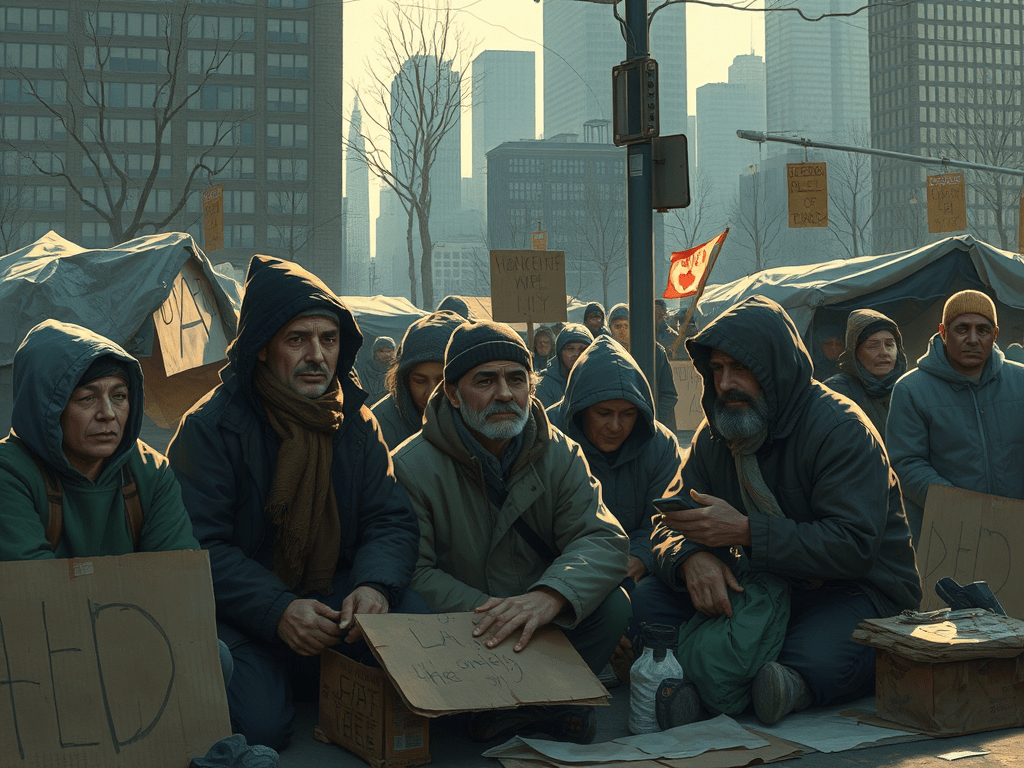
The Invisible Crisis: Navigating Homelessness in Canada
Canada is often celebrated for its high quality of life, yet a walk through many of its urban centers tells a different story. In recent years, homelessness has transitioned from a “hidden” problem to a visible, nationwide crisis. As of early 2026, data suggests that over 235,000 Canadians experience homelessness each year, with tens of thousands living unsheltered on any given night.
This isn’t just a “big city” issue; it is a complex social fracture that touches every province and territory. To understand how to fix it, we must first look at the tangled web of reasons why people lose their homes and the impact of the makeshift communities that have emerged in response.
Why is This Happening? The Root Causes
Homelessness is rarely the result of a single “bad choice.” It is usually the collision of systemic failures and personal crises.
- The Cost of Living & Housing Market: In 2026, the gap between wages and rent is at a historic high. Many Canadians are “one paycheck away” from the street. When rent consumes 50% or more of a household income, there is no safety net for emergencies.
- Job Loss & Unemployment: Beyond the lack of work, the nature of work has changed. Precarious “gig” employment offers no stability, making it nearly impossible to secure long-term leases.
- Mental Health & Trauma: Between 25% and 50% of the homeless population struggles with mental health issues. Without consistent, community-based care, individuals often fall out of the system.
- Substance Use: Drug use is frequently a “survival tool” used to cope with the trauma and physical pain of living outside. However, addiction then becomes a massive barrier to maintaining employment or housing.
- The “Ambition” Myth: While some critics cite a “lack of ambition,” social workers point out that “survival fatigue”—the sheer exhaustion of finding food and safety every day—leaves little room for long-term planning.
- Legal & Systemic Issues: Barriers like a lack of government ID (which requires a permanent address) or a criminal record can create a “revolving door” where people are legally and economically locked out of society.
The New Reality: Encampments and Riverbanks
As shelters reach 98%–100% occupancy, “tent cities” have become a permanent fixture. These encampments often pop up in public parks, under overpasses, and along riverbanks.
The Impact on Communities:
- Private Property: When individuals camp on private land, it creates significant legal and safety friction. Property owners face liability risks, while the unhoused face the constant threat of “sweeps” and the loss of their only belongings.
- Environmental Concerns: Riverbanks are often chosen for proximity to water and relative privacy, but lack of sanitation leads to environmental degradation and health risks for both the campers and the public.
- The “Green Sweep” Dilemma: Municipalities often evict these camps citing “ecological protection,” but without providing an alternative place to go, this simply pushes the problem to a different neighborhood.
Turning the Tide: Programs and Pathways to Recovery
Addressing the crisis requires more than just “emergency beds.” It requires a shift toward Permanent Solutions.
1. The “Housing First” Model
This is the gold standard for recovery. The philosophy is simple: provide a person with a stable home first, without preconditions like sobriety. Once they have a door they can lock, social workers provide “wraparound” services for mental health and addiction.
2. Specialized Support Programs
- Rent-Geared-to-Income (RGI): Programs that ensure residents pay no more than 30% of their income on rent.
- Employment Integration: Initiatives that help individuals with “lived experience” find work in peer support or municipal maintenance, rebuilding their resumes.
How Can People Overcome Homelessness?
Overcoming homelessness is an uphill battle, but it is possible through a combination of Hope and Infrastructure.
- Access to Identification: Programs that help the unhoused obtain birth certificates and health cards are the first step to reclaiming a legal identity.
- Community Support: Success stories often highlight the importance of a “community of care”—having people who treat them with dignity rather than as a nuisance.
- Integrated Healthcare: Moving mental health and addiction services into the shelters or encampments rather than expecting people to navigate a complex hospital system.
Homelessness is a reflection of our collective social health. By focusing on “Housing First” and addressing the systemic cost-of-living crisis, we can move toward a Canada where no one has to call a riverbank home.
 Canadian Country Life
Leave a comment