
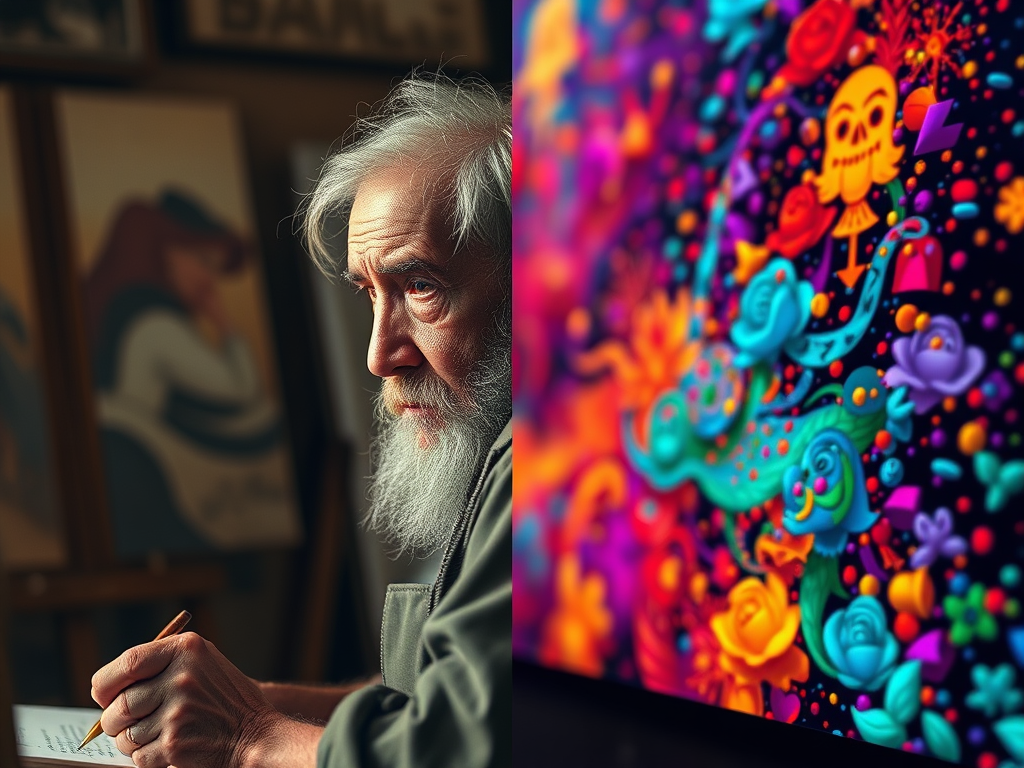
When life gets loud and our bodies start to signal that they need a slower pace, it can feel like our creative outlets are slipping away. Whether it’s your eyesight making fine details a struggle, energy levels that don’t support hours at a desk, or hands that aren’t as steady as they once were, the barrier to “making” can feel high.
But there is a massive shift happening right now. Artificial Intelligence isn’t just a buzzword; for many of us, it’s becoming a “digital exoskeleton”—a tool that picks up where our physical stamina or precision leaves off.
Bridging the Gap: Creative Independence
If you’ve spent years honing a skill only to find your body won’t cooperate with the tools anymore, AI acts as a collaborator. It doesn’t replace your vision; it executes it.
- For the Eyesight: Text-to-image tools (like Midjourney or DALL-E) allow you to describe a scene in vivid detail. You don’t need to squint at a canvas or a tiny cursor; you use your voice or large-print text to manifest high-resolution art.
- For the Energy: Building a website used to take weeks of manual labor. Now, AI-driven builders (like Wix AI or Framer) can generate a full layout, write copy, and suggest images in minutes based on a simple conversation. You provide the “soul” of the site; the AI handles the heavy lifting.
- For the Hands: If fine motor skills have declined, “prompting” replaces the need for steady brushstrokes or complex coding. You are the director, and the AI is your highly skilled assistant.
Bringing the Past into the Present
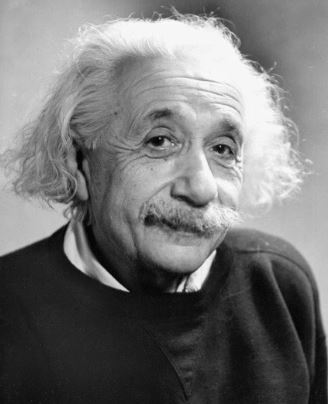
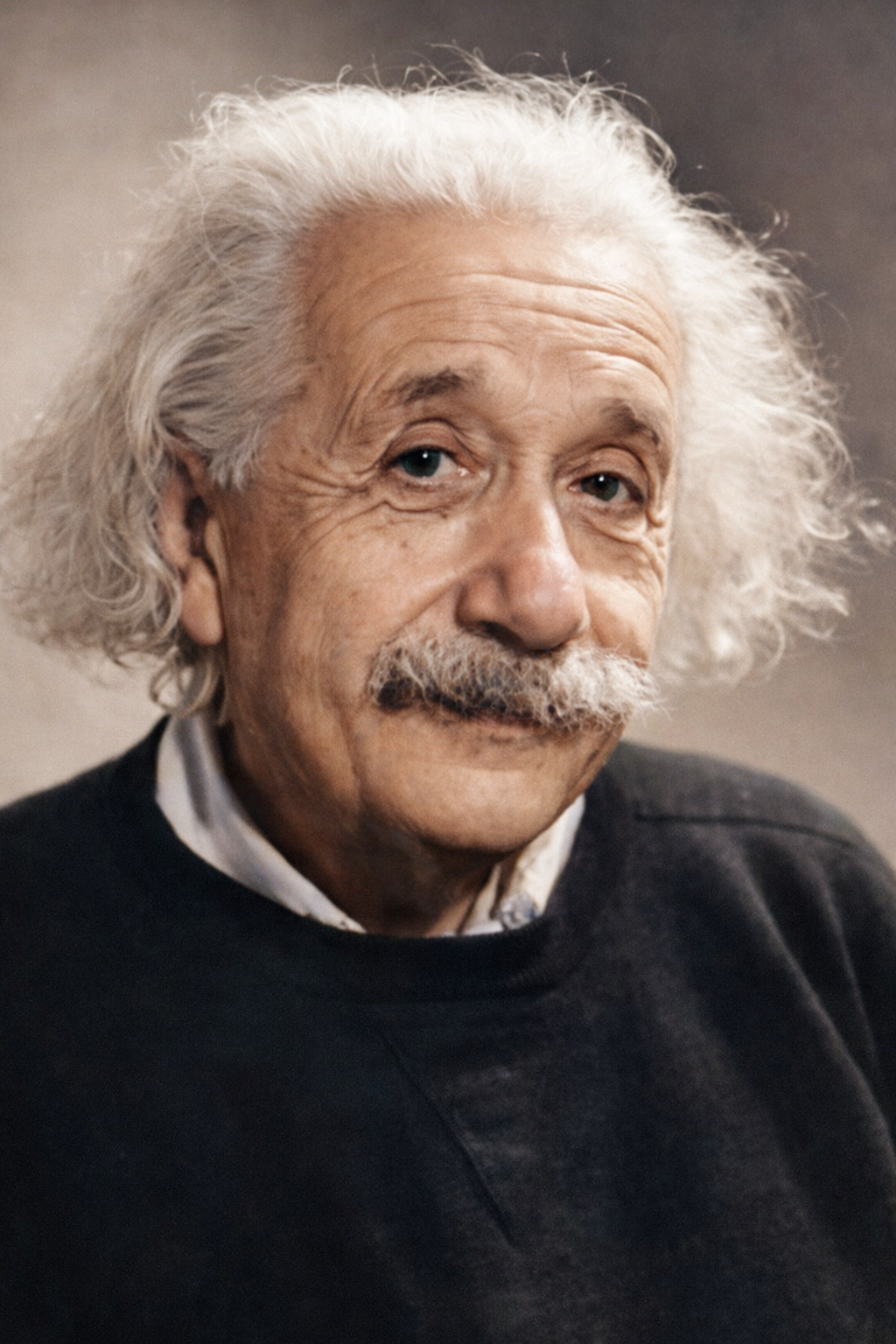
Perhaps the most moving benefit of AI is its ability to act as a bridge to our history. For those of us who cherish old family photos—faded, cracked, or captured in black and white—AI can do what was once impossible for a hobbyist:
- Colorization: Sophisticated algorithms can “guess” the colors of a 1920s summer afternoon, turning a grey memory into a vibrant moment.
- Restoration: AI can digitally “heal” scratches and tears in photos of ancestors, sharpening eyes and features that have been blurred by time.
- Genealogy Support: Platforms like MyHeritage use AI to animate old portraits, letting you see a great-grandparent smile or blink, making the past feel like a living, breathing thing.
Why This Matters Now
When we are busy with the responsibilities of life, we don’t always have the “luxury” of spending ten hours learning a new software. AI respects your time. It allows you to stay connected to your passions—whether that’s sharing your family history through a beautiful website or creating art that expresses how you feel—without the physical or time-taxing toll of traditional methods.
Technology is finally catching up to our imaginations, ensuring that even as our bodies slow down, our ability to create and share only speeds up.
Would you like me to help you brainstorm a layout or a specific “prompt” to help you visualize a restoration project for one of your old family photos?
 Canadian Country Life
Leave a comment