Canada, a vast and diverse nation, offers a unique charm in its rural landscapes. From the rugged coastlines to the sprawling prairies and the majestic mountains, each region presents a distinct flavour of rural living. If you’re dreaming of escaping the city hustle, understanding these regional differences is key to finding your perfect slice of Canadian tranquility.
The Regional Tapestry of Rural Canada
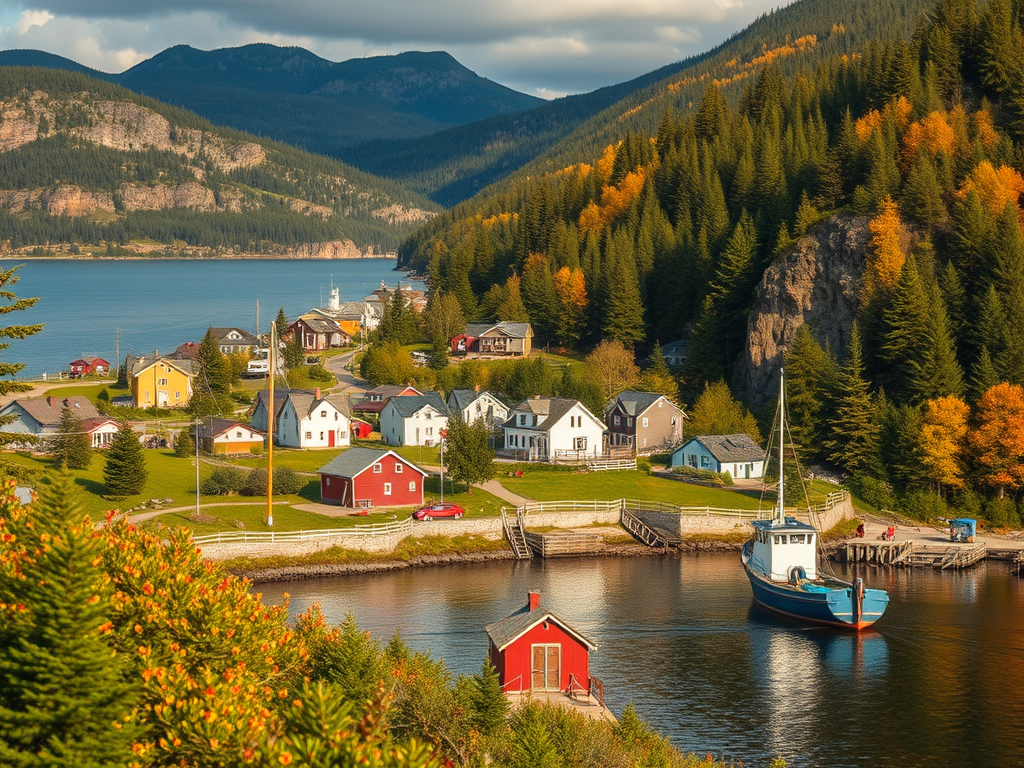
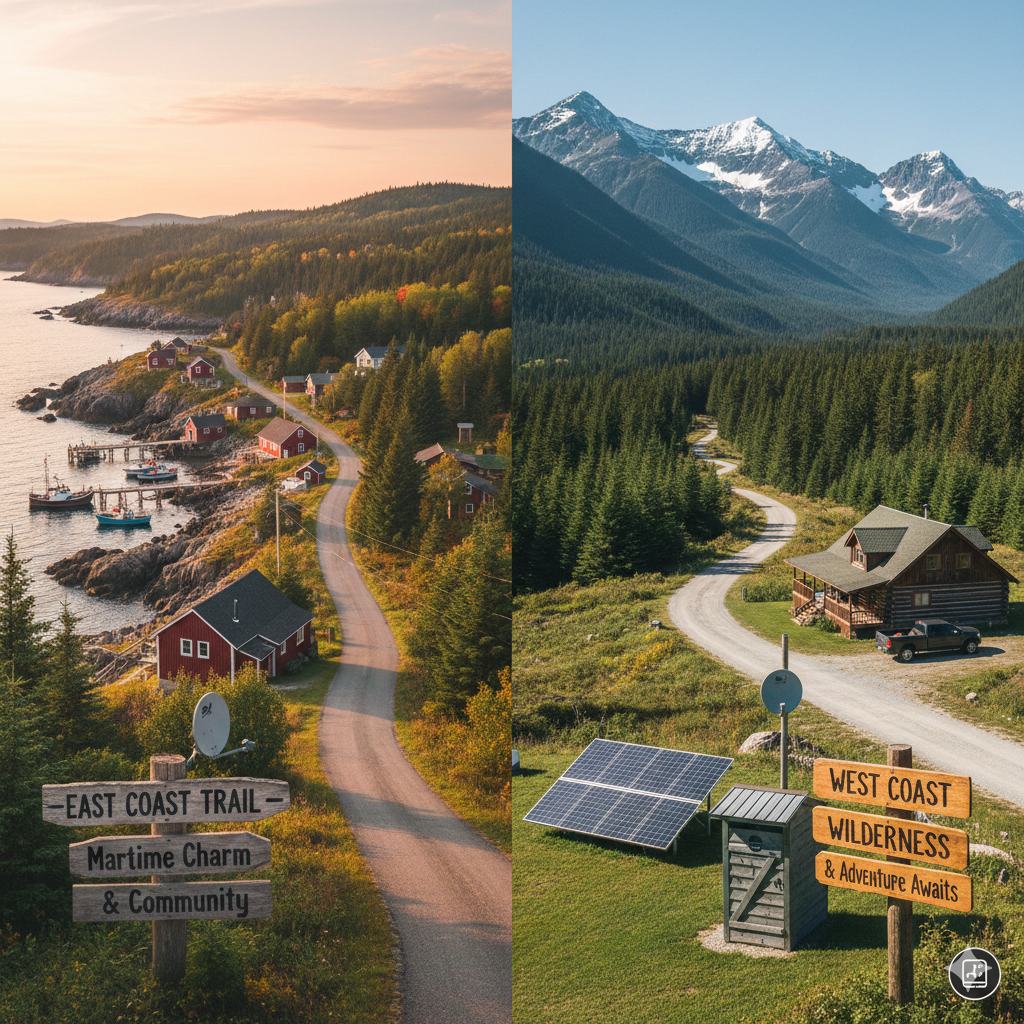
The Maritimes (Nova Scotia, New Brunswick, Prince Edward Island): Life in the Maritimes is often characterized by its strong sense of community, maritime heritage, and stunning coastal beauty.
- Lifestyle: Slower pace, strong community ties, outdoor activities like fishing, hiking, and boating.
- Cost of Living: Generally lower than central Canada, especially for housing.
- Employment: Fisheries, tourism, agriculture, and increasingly, remote work opportunities.
- Accessibility to Necessities: Smaller towns will have essential services, but specialty shopping might require a drive to a larger center.
- Remote Access: Many charming coastal villages are accessible by paved roads, but some more secluded areas might have gravel or unmaintained routes.
- Utilities: Cellular reception is generally good in settled areas, but can be spotty in very remote coastal or forested regions. Electricity and municipal water/sewer are common in most villages, though well water and septic systems are prevalent in more isolated homes.
Quebec (Outside major cities): Rural Quebec offers a distinct cultural experience with its French language and rich history.
- Lifestyle: Strong community, vibrant cultural events, a blend of European charm and Canadian ruggedness. French language proficiency is a significant advantage.
- Cost of Living: Varies, but generally more affordable than Montreal, especially in more northern or eastern regions.
- Employment: Agriculture, forestry, tourism, and a growing tech sector in some smaller cities.
- Accessibility to Necessities: Many villages are well-serviced, but some more remote areas might have fewer options.
- Remote Access: Well-maintained road networks generally provide good access, even to more secluded regions.
- Utilities: Similar to the Maritimes, good cell reception in populated areas, with some dead zones in deep forests or mountainous regions. Standard electricity and water services in most villages, with wells and septic systems common outside of them.
Ontario (Northern & Eastern): Beyond the Golden Horseshoe, rural Ontario offers diverse landscapes from the agricultural heartland to the Canadian Shield.
- Lifestyle: Varies greatly from agricultural communities to cottage country. Access to nature is a major draw.
- Cost of Living: Can be significantly lower than southern Ontario, but still higher than some other rural parts of Canada, especially in popular recreational areas.
- Employment: Agriculture, forestry, mining, tourism, and a growing number of remote workers.
- Accessibility to Necessities: Good in most established towns, but travel to larger centers may be required for specialized services.
- Remote Access: Extensive road networks, but logging roads or private roads might be necessary for very remote properties.
- Utilities: Generally reliable, but cell service can be intermittent in dense forests or far from towers. Electricity is widespread, and municipal water/sewer in towns, with wells and septic systems in more rural settings.
The Prairies (Manitoba, Saskatchewan, Alberta): Known for their vast, open skies and fertile farmlands, the Prairies offer a unique rural experience.
- Lifestyle: Strong agricultural roots, tight-knit communities, appreciation for wide-open spaces, and often more extreme weather.
- Cost of Living: Generally among the lowest in Canada, particularly for housing.
- Employment: Agriculture, oil and gas (Alberta), mining, and related industries.
- Accessibility to Necessities: Most towns have basic services, but travel to larger cities (Winnipeg, Regina, Saskatoon, Edmonton, Calgary) is common for specialized needs.
- Remote Access: Extensive grid road systems provide good access, though some properties might be on unpaved roads.
- Utilities: Good cell reception in most areas due to the flat terrain, though some very remote farmsteads might require boosters. Electricity is widespread. Municipal water/sewer in towns, but wells and septic systems are the norm for rural properties.
British Columbia (Interior & Northern): From the Okanagan Valley to the rugged northern wilderness, BC’s rural areas are defined by their stunning mountain and forest landscapes.
- Lifestyle: Outdoor-centric, with opportunities for skiing, hiking, fishing, and exploring. A blend of laid-back and adventurous spirits.
- Cost of Living: Can be quite high in desirable areas like the Okanagan, but more affordable in northern or truly remote regions.
- Employment: Forestry, mining, tourism, agriculture (especially fruit and wine in the Okanagan), and an increasing number of remote tech jobs.
- Accessibility to Necessities: Good in larger interior towns, but services become sparse in very remote northern regions.
- Remote Access: Well-maintained highways connect many communities, but off-highway access to very remote cabins or properties can be challenging and require 4×4 vehicles.
- Utilities: Cellular reception can be very spotty due to mountainous terrain; satellite phones or internet are common in truly remote areas. Electricity is generally reliable, but outages can occur during storms. Wells and septic systems are standard for rural homes.
The North (Yukon, Northwest Territories, Nunavut): The ultimate frontier, offering unparalleled wilderness and unique Indigenous cultures.
- Lifestyle: Resilient, self-reliant, deeply connected to the land, and adapted to extreme weather conditions. Strong emphasis on traditional activities.
- Cost of Living: Extremely high due to transportation costs for goods.
- Employment: Mining, government, tourism, and traditional harvesting.
- Accessibility to Necessities: Limited to territorial capitals and larger communities. Freight costs make everything expensive.
- Remote Access: Many communities are fly-in only. Road access is limited, with some ice roads open seasonally.
- Utilities: Cellular reception is very limited, primarily available in major communities. Satellite internet and phone are crucial. Electricity is often generated locally (diesel), making it expensive. Water often comes from local sources or is delivered, and sewage systems are unique to each community.
The Realities of Remote Living
Beyond regional differences, a few common threads define remote living across Canada:
- Accessibility to Necessities: While larger rural towns will have grocery stores, pharmacies, and gas stations, specialized services (e.g., specific medical specialists, large department stores) often require a drive to a regional hub, which could be hours away. Planning and stocking up are essential.
- General Access to Remote Locations: Roads can vary significantly in quality. While main highways are generally well-maintained, secondary roads, especially those leading to very isolated properties, might be gravel, unpaved, or even impassable during certain seasons without a 4×4 vehicle. Winter conditions can also severely impact access.
- Cellular Reception: This is perhaps one of the biggest challenges. While major highways and populated areas usually have decent coverage, venturing off the beaten path can quickly lead to dead zones. Satellite phones, internet, and signal boosters become valuable tools for safety and communication.
- Electricity: Most established rural homes are connected to the grid. However, power outages due to weather (ice storms, heavy snow, high winds) can be more frequent and last longer than in urban areas. Generators are a common backup.
- Water: Outside of villages with municipal water systems, rural properties rely on wells for drinking water. This requires maintenance, testing, and awareness of water table levels.
- Off-Grid Living: For those truly seeking self-sufficiency, off-grid living is possible but comes with significant commitment and upfront costs.
- Power: Solar panels, wind turbines, and generators are common. Battery storage is essential. Understanding energy consumption is paramount.
- Water: Rainwater harvesting, wells, or nearby natural sources. Filtration and purification systems are critical.
- Sewer: Composting toilets, greywater systems, and properly maintained septic fields are necessary.
- Restraints: Off-grid living demands a deep understanding of energy systems, water management, waste disposal, and self-reliance. It often requires a higher initial investment and ongoing maintenance, but offers unparalleled independence and a reduced environmental footprint.
Rural Canadian life is a rich tapestry of experiences, offering solitude, community, and an intimate connection with nature. It demands adaptability, preparedness, and a willingness to embrace challenges, but for many, the rewards of peace, beauty, and a slower pace of life are immeasurable.
 Canadian Country Life
Leave a comment