
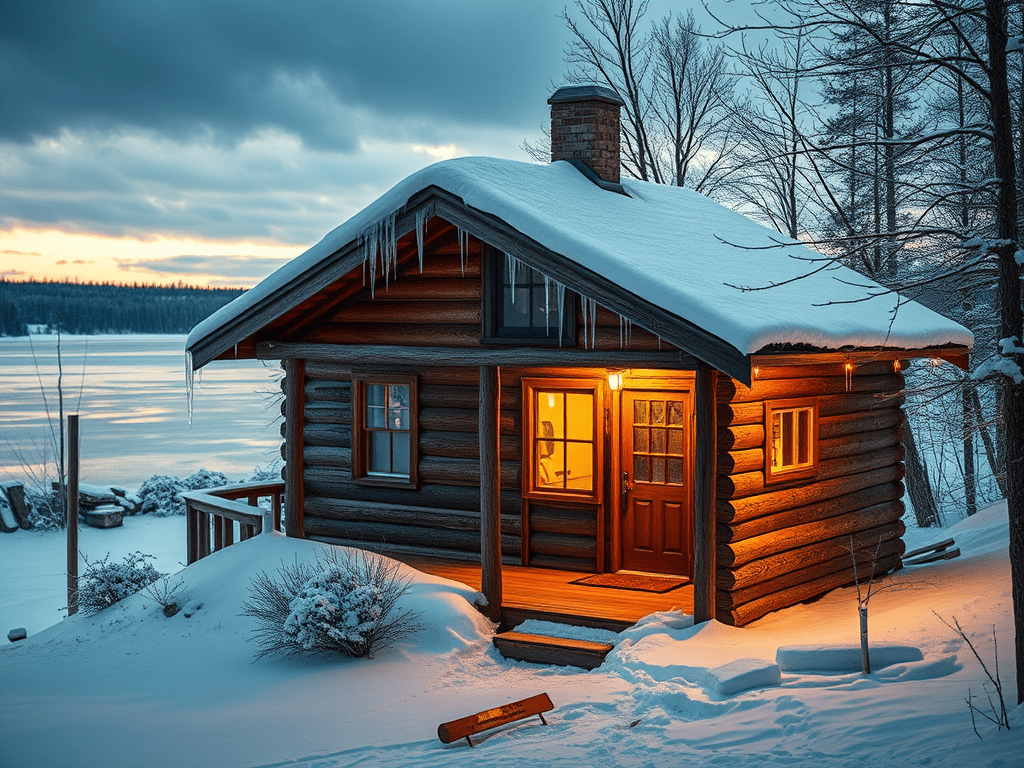
The “Hidden” Costs of Your Canadian Getaway: The Reality of Part-Time Rural Property Ownership
There’s a classic Canadian dream: escaping the city on Friday afternoon, windows down, heading toward a quiet cabin in the Muskokas, the Laurentians, or the BC interior. But for many, the reality of owning a “part-time” rural property is less about lounging on the dock and more about a never-ending to-do list that follows you from the city.
If you’re thinking about taking the plunge into rural ownership, or you’re already feeling the weight of that second mortgage, here are the most common challenges you’ll face in the Great White North.
1. The “Winterization” Headache
In Canada, you don’t just “lock the door” in October. Winter is an active adversary to rural structures.
- Burst Pipes: This is the #1 catastrophe. If your furnace fails or the power goes out (common in rural areas during ice storms), stagnant water in your pipes will freeze and expand.
- Snow Loads: Leaving a roof unattended all winter can lead to structural collapse or ice damming. You’ll often need to pay a local contractor just to shovel your roof.
- The Big Thaw: Spring brings “mud season.” Many rural roads in Canada are unpaved and become impassable for weeks, meaning you might not even be able to reach your property to check for damage until May.
2. Security and “Unwanted Guests”
A vacant home is a target, but in the country, the “burglars” aren’t always human.
- Wildlife Squatters: Field mice, red squirrels, and raccoons view your insulated walls as a 5-star hotel. They can chew through electrical wiring, creating significant fire hazards.
- Vandalism & Theft: Rural properties are often secluded, making them easy targets for break-ins. Without a year-round neighbor to keep an eye out, you might not discover a theft for months.
- Insurance Hoops: Most Canadian insurers have strict “vacancy” clauses. If you don’t have someone physically checking the property every 48 to 72 hours, your water damage or theft coverage could be voided.
3. The Specialized Infrastructure Trap
City life spoils us with “invisible” services. In the country, you are the utility company.
- Septic & Wells: You aren’t connected to a city sewer. You have to monitor your septic tank levels and ensure your well water remains potable. A failed septic system can easily cost $20,000–$30,000 to replace.
- The Digital Divide: While Starlink has improved things, many rural areas still struggle with reliable high-speed internet. If you planned to “work from the cabin,” you might find yourself tethering to a weak 3G signal instead.
4. The Tax and Legal Maze
Owning a second property in Canada isn’t just about the purchase price.
- Capital Gains: Unlike your primary residence, any increase in the value of your rural property is subject to capital gains tax when you sell.
- Zoning Surprises: Rural municipalities often have strict bylaws about “short-term rentals.” If you planned to Airbnb the place to cover the mortgage, you might find the local council has banned the practice.
Maintenance Breakdown: The “1% Rule”
A good rule of thumb for Canadian homeowners is to budget at least 1% of the property’s value annually for maintenance. For rural properties, experts often suggest bumping this to 2% or 3% due to the higher cost of transporting materials and the specialized nature of rural repairs.
| Expense Category | Typical Annual Cost (Est.) |
| Snow Removal/Lawn Care | $1,200 – $2,500 |
| Septic/Well Maintenance | $300 – $800 |
| Insurance Premiums | $1,500 – $3,000 |
| Security/Property Checks | $500 – $1,200 |
Is it Worth It?
Despite the stress, there is nothing like a Canadian sunset over a glass-still lake. The key is to go in with your eyes open. If you view your rural property as a hobby rather than just a “vacation spot,” you’ll be much better prepared for the work it demands.
To help you protect your investment and keep your sanity during the off-season, here is a comprehensive winterization checklist tailored for a seasonal property in Canada.
The Ultimate Canadian Cottage Winterization Checklist
Phase 1: The Plumbing (The Critical Step)
Water is your biggest enemy when the temperature drops.
- Shut off the Main: Turn off the main water supply valve.
- Drain the Lines: Open all faucets (indoor and outdoor) and leave them open. Flush toilets to empty the tanks.
- Blow Out the Lines: If you have an air compressor, use it to blow any remaining water out of the pipes.
- The “Pink Stuff” (Antifreeze): Pour non-toxic RV antifreeze into all sinks, tubs, and shower drains, as well as the toilet bowl and tank. This displaces water in the P-traps that can’t be drained.
- Water Heater: Turn off the power (breaker) or gas, then drain the tank completely using a garden hose.
Phase 2: Interior Preservation
Make the house unappealing to “unwanted guests” (rodents).
- Kitchen Purge: Remove all glass-bottled liquids (they will burst) and all food. Even canned goods can freeze and lose their seal.
- The Fridge: Unplug it, clean it thoroughly, and prop the door open with a block or towel to prevent mold growth.
- Seal Entry Points: Check for any gaps around pipes or baseboards. A mouse can fit through a hole the size of a dime; use steel wool or spray foam to plug them.
- Upholstery: Consider covering furniture with old sheets and placing dryer sheets or botanical rodent repellent pouches in drawers and closets.
Phase 3: Exterior & Structural
Prepare for the weight of snow and the force of wind.
- Roof & Gutters: Clean out leaves and debris to prevent ice damming. Ensure downspouts are directed away from the foundation.
- Boat & Dock: Ensure the boat is winterized and shrink-wrapped or stored in a shed. If your dock isn’t a “permanent” style, it should be pulled from the water to avoid “ice-jacking” damage.
- Chimney: Close the flue and consider a chimney cap or “balloon” to prevent birds and squirrels from nesting inside.
- Vegetation: Trim any overhanging branches that could snap under heavy snow and damage your roof or power lines.
Phase 4: Utilities & Security
- Heating: If you keep the heat on, set it to a minimum of 10°C (50°F). This is high enough to prevent the core of the house from freezing if there’s a minor power dip.
- Smart Tech: If you have Wi-Fi, install a smart thermostat and a leak sensor that alerts your phone. (Just remember, if the power goes out, so does your monitoring).
- The “Walk-Through” Buddy: Hire a local to walk the property once a week. Many insurance policies require a physical check every 48–72 hours to maintain coverage for water damage.
Winterization Tool Kit
| Item | Purpose |
| Non-toxic RV Antifreeze | Protecting P-traps and toilets. |
| Steel Wool | Plugging mouse entry holes. |
| Desiccant Buckets | Absorbing moisture to prevent musty smells. |
| Air Compressor | Clearing water lines efficiently. |
To make sure you don’t miss a single step while the chaos of packing is happening, here is a structured “Closing Day” itinerary. Since you’re likely dealing with a long drive back to the city, this list is ordered by flow—starting inside and ending at the gate.
🕒 The “Last Day” Countdown
1. The “Clean Sweep” (Morning)
- [ ] Final Laundry: Wash all towels and bedding. Ensure the dryer lint trap is clean. Tip: Don’t start a load you can’t finish; damp clothes left in a cold washer will smell by spring.
- [ ] Fridge Purge: Empty all perishables. Wipe down with a vinegar solution to prevent mold. Leave the door propped open.
- [ ] Pantry Check: Box up any “open” dry goods (crackers, flour) to take home. Rodents can smell a box of crackers through a cupboard door.
2. The Critical Systems (Early Afternoon)
- [ ] Water Main: Shut off the intake.
- [ ] Drain the Lines: Open every tap. Once the flow stops, pour your RV antifreeze into every P-trap (sinks, showers, floor drains) and the toilet.
- [ ] Water Heater: Switch off the breaker before draining. Never dry-fire the elements.
- [ ] Sump Pump: Check that it’s clear of debris and functioning.
3. The Exterior Lockdown
- [ ] Furniture & Toys: Move deck chairs, umbrellas, and kayaks into the shed or crawlspace.
- [ ] Windows & Doors: Double-check the locks on every window, especially the basement or “lake-side” entries. Close all curtains to hide your interior from prying eyes.
- [ ] Propane/Gas: Shut off the valves at the tanks for the BBQ or outdoor heaters.
- [ ] Fireplace: Ensure the damper is closed and any ash has been safely disposed of (ensure it’s 100% cold).
4. The “Final Walk” (Right Before Loading the Truck)
- [ ] Thermostat: Set to your winter “hold” temperature (usually 10°C) or “Off” if you are fully draining.
- [ ] Electronics: Unplug everything except your security system/cameras. This protects against power surges during winter storms.
- [ ] Garbage: Take every last bag of trash with you. Never leave trash in outdoor bins; it’s an invitation for bears and raccoons.
🧰 The “Must-Carry” Bag
Keep these in the cab of the truck for easy access on your first trip back in the spring:
- A flashlight with fresh batteries.
- The key to the main padlock and the shed.
- A small tool kit (screwdrivers/pliers).
- A roll of paper towels and some hand sanitizer.
The Final Step: The Gate
- [ ] Padlock the Gate/Driveway: If you have a chain or gate, lock it up.
- [ ] Photo Proof: Take a quick photo of your closed electrical panel and your thermostat setting. If you’re halfway home and wonder, “Did I turn the heat down?” you can check your phone and breathe easy.
 Canadian Country Life
Leave a comment