
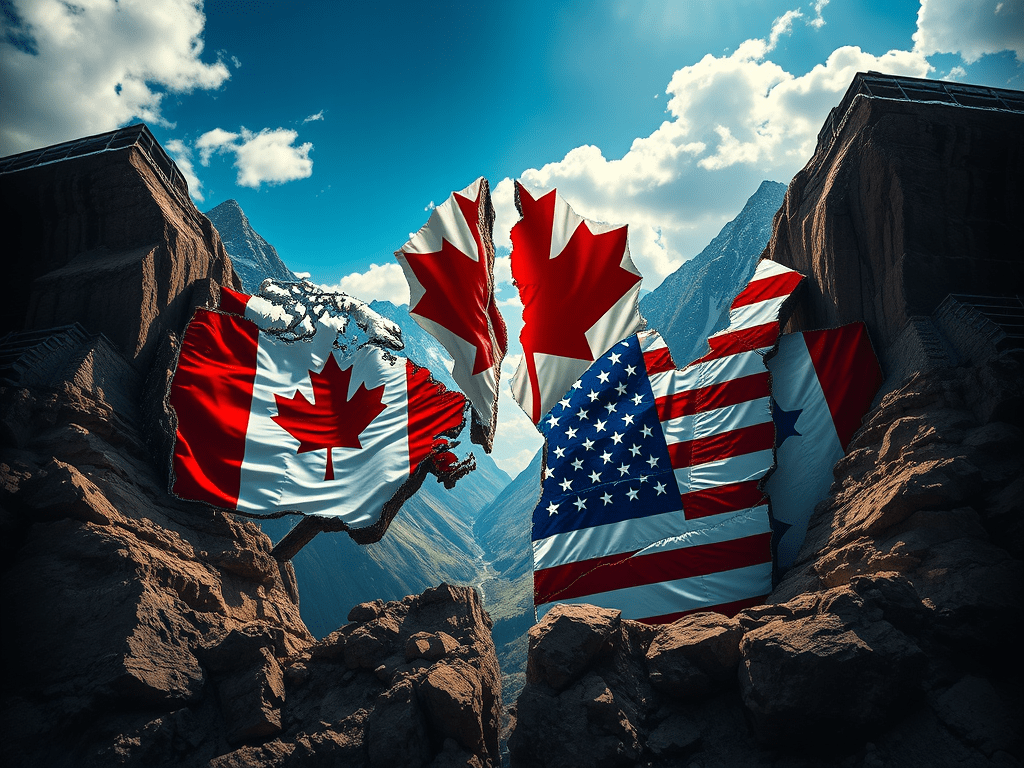
The Price of Chaos: How Trump’s “Art of the Steal” is Fracturing the West
The global stage has long been held together by trust, shared values, and predictable trade. But as we move through 2026, that foundation isn’t just shaking—it’s being intentionally dismantled. The current U.S. administration’s “hard bargaining” tactics have evolved from a campaign slogan into a volatile cocktail of unethical bribery, the erosion of alliances, and punitive tariffs that are backfiring on the American people.
For decades, the United States was the “reliable partner.” Today, under Donald Trump’s second term, it has become the “unpredictable landlord,” threatening to evict its closest friends if they don’t pay a protection fee.
1. Diplomacy by Extortion
The hallmark of this administration is the shift from multilateral cooperation to transactional coercion. Rather than negotiating for mutual benefit, the strategy has become a “take it or leave it” ultimatum.
- The “Bribery” Loop: We see a pattern where the administration offers “exemptions” from devastating tariffs only in exchange for political favors or specific domestic concessions that bypass international law.
- Breaking Down Allies: From threatening 100% tariffs on Canadian aircraft to questioning the sovereignty of NATO members like Denmark, the administration treats long-standing allies as adversaries.
- The Fentanyl/Border Leverage: Using trade as a blunt instrument for immigration and drug enforcement—such as the 25% “invasion” tariffs on Mexico and Canada—ignores the complexity of global supply chains and turns trade partners into political hostages.
2. The Self-Inflicted Wound: How Tariffs Harm the US
There is a persistent myth that “foreign countries pay the tariffs.” In reality, American families and businesses are footed with the bill.
As of early 2026, the data is clear:
- Inflationary Pressure: Federal Reserve Chair Jerome Powell has noted that tariff-induced price hikes are peaking this year, forcing the average U.S. household to pay an estimated $1,000 more per year for basic goods.
- Job Stagnation: The Kansas City Fed recently reported that job growth has been suppressed, with thousands of potential jobs lost monthly in sectors heavily exposed to these import taxes.
- GDP Contraction: Estimates suggest the current trade wars could reduce long-run U.S. GDP by 0.7%, effectively wiping out the growth benefits of previous tax cuts.
“A tariff is not a tax on another country; it is a tax on your own citizens’ ability to compete.”
3. Canada’s New Horizon: Seeking Reliable Partners
For Canada, the message from Washington is loud and clear: You are only as good as your last concession. In response, Prime Minister Mark Carney and the Canadian government are leading a historic “Pivot of Necessity.”
Canada is no longer waiting for the U.S. to return to sanity. Instead, the focus has shifted to diversification to ensure national economic security:
| Region/Partner | Status of Engagement |
| ASEAN Nations | Expanding trade with Indonesia, Vietnam, and the Philippines to secure new tech and manufacturing hubs. |
| MERCOSUR | Inking deals with Brazil and Argentina to diversify agricultural and resource exports. |
| India | Accelerating a massive trade pact to tap into the world’s fastest-growing middle class. |
| The EU | Strengthening the CETA framework to position Canada as the “stable alternative” to U.S. volatility. |
By reversing 100% tariffs on Chinese EVs and seeking “pragmatic cooperation” globally, Canada is signaling that it will not be bullied into isolation. If the U.S. chooses to be an unreliable neighbor, Canada will find its neighbors elsewhere.
Conclusion
The “Art of the Deal” has become the Art of the Isolation. By punishing allies and weaponizing the dollar, the U.S. is winning short-term headlines but losing its long-term status as the leader of the free world. As the U.S. looks inward, the rest of the world—led by nations like Canada—is looking outward, building a new, more reliable global order that doesn’t rely on the whims of a single office in Washington.
 Canadian Country Life
Leave a comment