
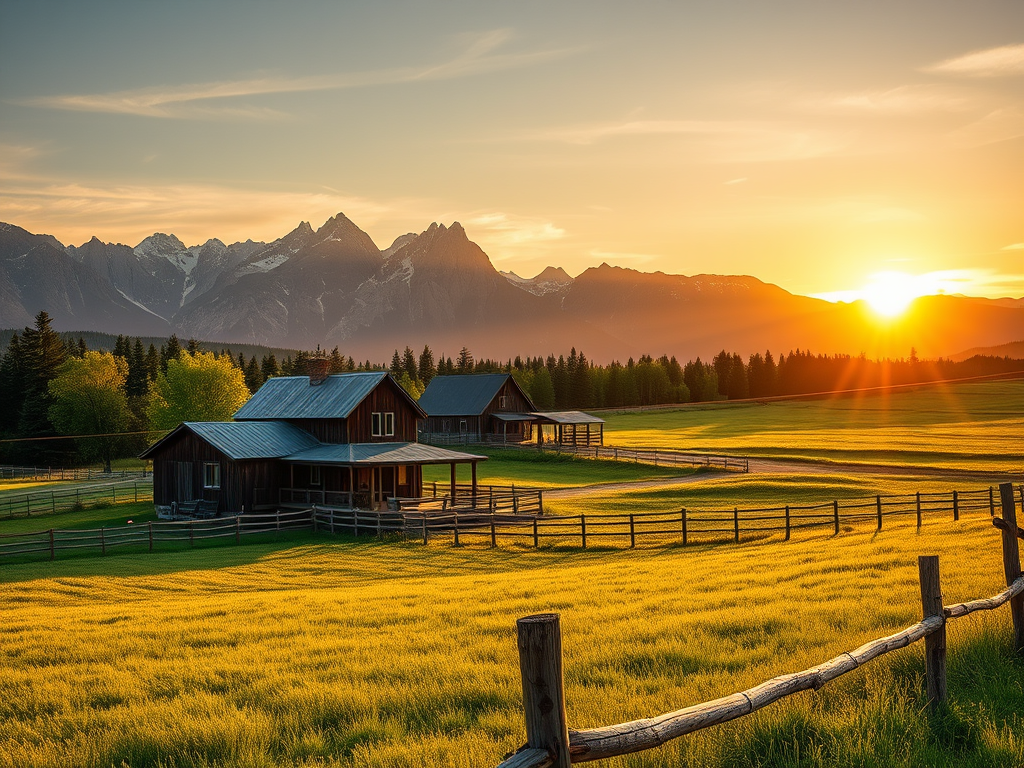
Living in rural Canada is a rewarding pursuit of self-reliance, but it requires a fundamental shift in how you view “service.” In the country, you are often your own first responder, utility manager, and logistics coordinator.
Quick national facts you should know (short & important)
- 911 is the emergency number across Canada; in very remote places you may not get immediate response times and volunteer first-responders are common. For ambulance response standards and reporting see provincial/municipal data portals.
- Rural and remote Canada still has a measurable broadband gap: while Canada’s overall high-speed coverage is high, rural/remote and many First Nations communities lag significantly — plan for limited/slow internet in many rural locations and have offline alternatives.
- Environment and Climate Change Canada publishes regional forecasts and severe-weather alerts — sign up for local alerts and learn winter/summer hazards for your region.
- Electricity in most provinces is provided by a small number of large utilities and many rural distribution networks rely on long distribution lines — outages are more likely and can last longer in remote areas. Know your local utility and outage reporting procedures.
- Wildfires, floods, and extreme precipitation are increasing threats in many regions — prepare for earlier fire season and rapid flood responses where rivers and spring melt are factors.
How to use this guide
- Read the national facts and the prep lists at the front.
- Jump to your province for season-by-season specifics and local risks. (I include practical gear, services to check, and examples.)
- Use the “what to buy / do” checklists at the end to assemble your seasonal kits.
National seasonal preparedness summary (applies everywhere)
- Winter (Dec–Mar, varies): heavy snow, drifting/blizzard risk, extreme cold, frozen pipes, black ice. Vehicles need winter tires, battery checks, block heater in deep-freeze zones, heating fuel plan (propane/wood/backup electric). Keep 72-hour kit + snow shovel, ice scraper, recovery straps. Sign up for local roadside and weather alerts.
- Spring (Mar–May): spring thaw → flood risk in lowland/rivers; muddy roads; increased vehicles stuck in mud. Clear eaves/ditches, check sump pumps, maintain sandbags if in flood-prone area.
- Summer (Jun–Aug): wildfire risk (interior BC, Prairie grasslands, parts of Ontario/Quebec), heat waves, ticks and mosquitoes. Prepare defensible space, water restrictions, air-conditioning/heat shelters for heat waves.
- Fall (Sep–Nov): storms & heavy rain, harvest season hazards for farmers, cooler nights leading to early icing in some areas. Roof/gutter prep before freeze.
Province-by-province — seasonal, practical, and service notes
For each province I list: top seasonal hazards, access to amenities & emergency services realities, internet/hydro notes, concrete seasonal checklist items and a short example scenario.
Newfoundland and Labrador
Top hazards: coastal storms, heavy snow & blowdowns, isolated coastal communities with ferry/air dependence; spring ice jam floods in some river valleys.
Services & access: many small coastal towns rely on ferries/air carriers and volunteer fire services; power outages from winter storms are common.
Internet & hydro: coverage patchy in remote/coastal communities — satellite or fixed wireless often used; Newfoundland and Labrador Hydro is main supplier for many areas.
Seasonal checklist (example items):
- Winter: extra heating fuel, insulated water pipes, heavy duty snowsuit and boots, battery banks/solar charger.
- Spring: check boats/ferries schedules; clear culverts for spring melt.
- Summer: storm surge plan; first-aid kit for offshore trips.
- Fall: secure outdoor gear for winter storms.
Example: If you live in a coastal outport, have 5–10 days of food & fuel if ferry/air service is halted.
Prince Edward Island
Top hazards: coastal storms, strong winds, snowstorms; relatively short distances to services compared to other Atlantic provinces.
Services & access: generally good local service access but small-town volunteer fire and RCMP detachments are typical.
Internet & hydro: good near towns; rural households may use fixed wireless; Island is served by Maritime Electric.
Seasonal checklist: shore-fastening for storms, generator or battery backup (power lines exposed to wind), winter vehicle kit.
Nova Scotia
Top hazards: severe winter storms, freezing rain, coastal storm surge, and flooding in some river communities.
Services & access: volunteer fire departments common; some remote coastal communities limit ambulance speed of access.
Seasonal checklist: winter fuel & wood supply checks; ensure chain saw and generator access for post-storm clearing.
New Brunswick
Top hazards: ice storms, snow & freezing rain, spring flooding in river valleys.
Services & access: rural areas often served by RCMP detachments and volunteer first responders; ambulance response times can be long across wide rural areas — know nearest landing zone/helipad if medevac needed.
Seasonal checklist: sandbags for spring thaw, winter survival kit, pack extra clothing for long waits.
Quebec
Top hazards: very cold winters (northern and interior), heavy snow, ice storms; summer heat waves and localized flooding.
Services & access: rural municipalities often have volunteer fire brigades; some remote northern communities have sparse services. Heating fuel (oil/propane/wood) planning is crucial in isolated homes.
Internet & hydro: Hydro-Québec covers most of province; remote northern First Nations and northern communities often use satellite or limited terrestrial internet.
Seasonal checklist: ensure chimney/woodstove inspections before winter; emergency generator sized for furnace/essential circuits if on-grid but outage-prone.
Ontario
Top hazards: mixed — Great Lakes lake-effect snow (north), severe storms and flooding in south, remote north with long winter conditions.
Services & access: in southern rural Ontario you’ll often be within an hour of hospitals; in northeastern/northwestern Ontario many communities are fly-in or have long distances to advanced health care. Check your local county/region response times and ambulance plans.
Internet & hydro: near towns broadband is decent; very remote northern communities rely on satellite or special programs. Ontario has many local distribution companies — know yours for outage notifications.
Seasonal checklist: winter driving kit and chains for northern roads; summer wildfire awareness for forested areas; spring thaw road washout checks.
Manitoba
Top hazards: prairie wind/chill in winter, spring river flooding (Red River valley), summer storms/heat.
Services & access: many small towns with volunteer services; Winnipeg region better covered.
Internet & hydro: Manitoba Hydro provides most generation/distribution; rural broadband can be spotty.
Seasonal checklist: elevate utilities or have sandbag plan in floodplains; winterize trailers and mobile homes.
Saskatchewan
Top hazards: extreme winter cold and wind, summer thunderstorms and hail, occasional drought/wildfire risk.
Services & access: long distances between towns on some highways; volunteer fire & RCMP common.
Internet & hydro: SaskPower covers electricity; rural internet often limited to fixed wireless or satellite.
Seasonal checklist: winter vehicle preps, grain-storage and farm-equipment winterizing, water supply freeze prevention.
Alberta
Top hazards: Chinook warm spells (rapid freeze-thaw), heavy snow events in mountains, wildfire risk in forested areas, spring flooding in rivers.
Services & access: rural towns often closest for urgent care; Alberta has invested heavily in wildfire & aerial firefighting in recent years.
Internet & hydro: mix of providers; remote areas use fixed wireless or satellite; power generally reliable but long lines increase outage risk.
Seasonal checklist: defensible space and evacuation plan for wildfire season; winter chains and mountain avalanche awareness if near Rockies.
British Columbia
Top hazards: coastal storms & heavy rain in the coast, deep snow & avalanches in mountains, very high wildfire risk in interior and some coastal-interior transition areas. Flooding and landslides after heavy rainfall are a major seasonality factor.
Services & access: many communities are ferry-dependent or have long mountainous road access; volunteer fire services common in small communities.
Internet & hydro: BC Hydro is main utility; interior rural internet varies widely — satellite and fixed wireless common.
Seasonal checklist: avalanche safety gear for mountain residents; wildfire readiness plan; summer water restrictions.
Practical gear and infrastructure checklist by season (one-size-fits-most)
Always-on / year-round
- Confirm local utility (electricity) outage reporting number and registration for outage alerts.
- Reliable multi-way communications plan: cell, landline (if present), VHF/ham radio if very remote, satellite phone or satellite hotspot (Starlink, Iridium, etc.) if broadband is unreliable.
- 72-hour personal kit per person + extra 3–7 days food/fuel if remote.
- Emergency contact card with nearest hospital, RCMP/municipal detachment, volunteer fire number, and nearest aerodrome/helipad.
Winter
- Deep-freeze vehicle kit: shovel, tow strap, booster, warm blankets, high-energy snacks, snow shovel, ice scraper, tire pressure gauge.
- Heating backup: generator sized to run furnace/important circuits or a safe woodstove supply; fuel storage per local code.
- Insulate pipes, keep a trickle of heat to prevent freezing, and have emergency plumbing kit.
Spring
- Sandbags & sump pump; clean eaves/culverts; keep critical documents elevated.
- Heavy-duty rubber boots and quick-drain plans for basements.
Summer
- Wildfire defensible-space tools: rake, chainsaw, garden hose able to reach entire house, ember-resistant vents.
- Mosquito/tick prevention items and heat-shelter plan.
Fall
- Roof/gutter cleanout, generator test, winter-ize lawn equipment.
Communications, internet alternatives & power-backup strategy
- Primary internet: wired broadband in towns; many rural homes will rely on fixed wireless or satellite. Check the CRTC/Innovation, Science & Economic Development reports for coverage in your area.
- Backup internet/phone: a cellular LTE hotspot + external antenna can be a practical backup in many locations; where cellular fails, low-latency satellite (e.g., consumer LEO services) can be invaluable for urgent comms.
- Power backup: a small generator (quiet inverter type) for essentials (furnace/fridge) or a battery + inverter solution sized to run essential circuits for 24–72 hrs depending on local outage history.
Emergency services realities — what to expect
- Volunteer fire departments are common in towns <5,000. They normally handle structure fires and small rescues but rely on mutual aid for big events.
- Ambulance response: in rural areas response times can be much longer; many communities depend on first-responder volunteers or prehospital triage to stabilize until transport. Consider local first-aid/CPR training and an automated external defibrillator (AED) if community resources are thin.
- Police: RCMP detachments often cover large districts; expect longer wait times for non-emergencies in very remote areas.
Short examples (three realistic scenarios and what to do)
- Winter power outage in northern Ontario (heavy snow + downed lines): run through winter checklist, use generator for furnace circuits, keep devices charged, call local utility to report outage and follow municipal shelter notices. Know nearest accessible ambulance/hospital route.
- Wildfire evacuation warning in interior BC: prepare “go bag” with ID/documents, fuel and vehicle plan, defensible space already in place, monitor provincial forest service and local alerts for evacuation route and reception centres.
- Spring flood in Red River Valley (Manitoba): pre-fill sandbags, elevate critical utilities, have insurance and photo inventory for claims, keep boat or higher vehicle staging area ready.
Insurance, permits & paperwork checklist
- Confirm your home insurance covers overland flood (often excluded) vs. sewer backup — consider additional coverage where flood risk exists.
- If using woodstoves/propane tanks, ensure annual inspection and permits where required.
- Keep digital & physical copies of land titles, insurance, driver’s license, and critical medical info in waterproof bags.
Quick to-do: immediate actions if you plan to move to rural Canada
- Identify nearest hospital/urgent care and RCMP/fire detachment; save numbers.
- Contact local electricity distributor and internet providers to confirm coverage; plan for backup communications if coverage is limited.
- Build a 72-hour kit and seasonal gear list tailored to your province (use the province lists above).
- Join local community groups — volunteer fire/first responder groups, neighbourhood watch, or community associations — they are often the fastest source of help.
 Canadian Country Life
Leave a comment