
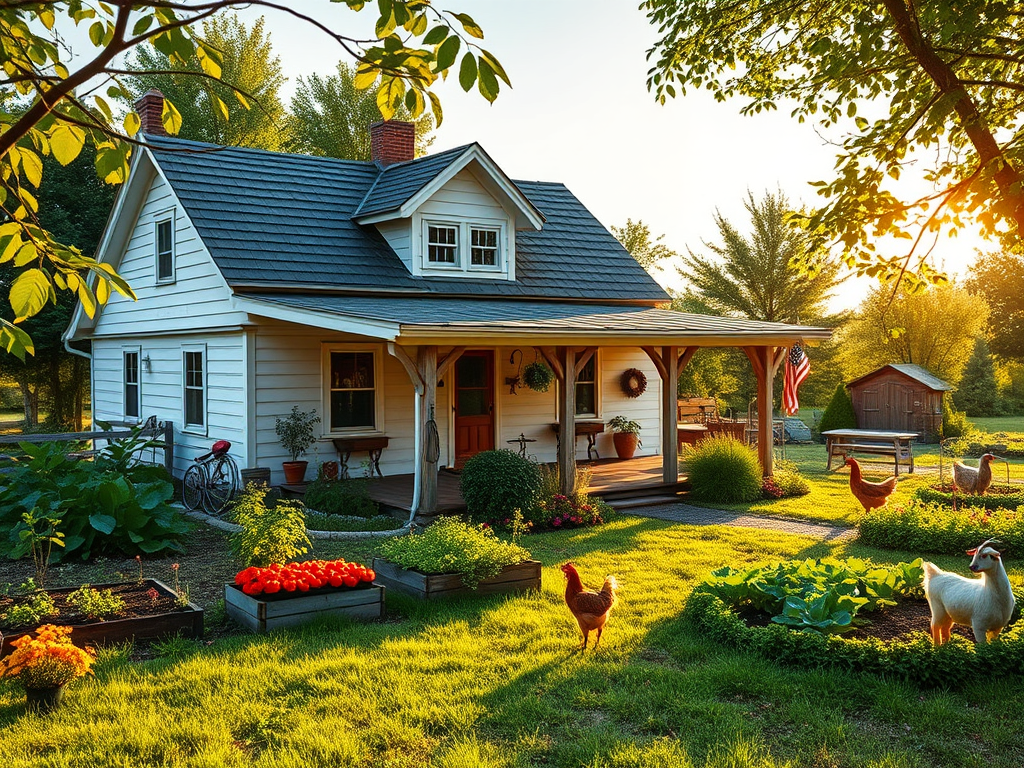
Cultivating Your Canadian Dream: Small Hobby Farm Ideas (15 Acres or Less)
The allure of a hobby farm – fresh air, homegrown food, and a connection to the land – is strong in Canada. With its diverse landscapes and climates, each province offers unique opportunities for small-scale agriculture. But turning that dream into a sustainable reality requires careful planning. This guide explores various hobby farm ideas for 15 acres or less, broken down by province, with insights into startup costs, maintenance, profitability, workload, selling your goods, and government support.
General Considerations for All Provinces:
Before diving into specific ideas, let’s look at some universal factors:
- Land Cost: This is your biggest variable. Rural land prices fluctuate wildly depending on proximity to urban centers, soil quality, water access, and existing infrastructure.
- Infrastructure: Do you need fencing, a barn, a well, irrigation? Factor these into your startup costs.
- Permits & Zoning: Always check local bylaws for agricultural zoning, building permits, and any restrictions on livestock or specific crops.
- Time Commitment: Even a “hobby” farm requires dedication. Be realistic about the hours you can commit.
- Market Research: Before you plant a single seed or buy an animal, understand who will buy your products and how you’ll reach them.
Provincial Breakdown & Hobby Farm Ideas:
1. British Columbia: The Diverse Coast & Interior
British Columbia’s varied climate allows for a wide range of specialty crops.
- Idea:Berry & Specialty Fruit Farm (e.g., blueberries, raspberries, Haskap berries, grapes for wine/juice)
- Startup Cost (5-10 acres): $30,000 – $100,000+ (land excluded). This includes planting stock, irrigation, fencing, and possibly a small processing area.
- Maintenance: Annual pruning, pest control, fertilization, irrigation. $5,000 – $15,000/year.
- Workload: Moderate. Seasonal planting, harvesting, and processing. Can be managed by 1-2 people for most tasks, with seasonal help for harvest.
- Profitability: Good, especially for direct-to-consumer sales or value-added products (jams, juices). High demand in BC.
- Market: Farmers’ markets, local restaurants, U-pick operations, direct online sales, small wineries/breweries.
- Market Demand: High for fresh, local produce. Specialty berries like Haskaps are gaining popularity.
- Government Programs: BC Agriculture & Food Climate Action Initiative, Investment Agriculture Foundation of BC.
2. Alberta: Prairies & Foothills
Alberta’s climate suits hardy crops and livestock.
- Idea:Heritage Livestock & Forage (e.g., rare breed sheep, goats, or specialized hay/alfalfa)
- Startup Cost (10-15 acres): $20,000 – $70,000 (land excluded). Fencing, shelter, initial livestock purchase, haying equipment (or custom service).
- Maintenance: Feed, veterinary care, pasture management. $4,000 – $10,000/year.
- Workload: Moderate. Daily animal care, seasonal haying. Manageable by 1-2 people.
- Profitability: Moderate to good, especially if marketing heritage meat, wool, or breeding stock.
- Market: Farmers’ markets, specialty butchers, online sales, direct-to-consumer for meat shares, wool artisans.
- Market Demand: Growing interest in ethically raised meat and unique animal products.
- Government Programs: Alberta Agriculture and Forestry programs (e.g., for livestock genetics, farm diversification).
3. Saskatchewan & Manitoba: The Heart of the Prairies
Similar climates, ideal for field crops and hardy animals.
- Idea:Specialty Grain/Pulse & Honey Production (e.g., organic oats, lentils, quinoa, honeybee hives)
- Startup Cost (10-15 acres): $25,000 – $80,000 (land excluded). Seeding equipment (or custom service), grain storage, beehives, beekeeping equipment.
- Maintenance: Seed, fertilizer, pest management (organic if applicable), hive maintenance. $3,000 – $10,000/year.
- Workload: Moderate. Seasonal planting, harvesting, and honey extraction. Manageable by 1-2 people.
- Profitability: Good, particularly for organic products or unique varieties. Honey has consistent demand.
- Market: Local health food stores, farmers’ markets, online sales, direct-to-consumer for bulk grains and honey.
- Market Demand: Strong for organic and local grains/pulses. Honey is always in demand.
- Government Programs: Agri-Food Innovation Fund (SK), Manitoba Agriculture programs (e.g., for value-added processing, farm business management).
4. Ontario: Diverse Agricultural Hub
Ontario offers a vast market and varied agricultural opportunities.
- Idea:Market Garden & CSA (Community Supported Agriculture)
- Startup Cost (2-5 acres): $15,000 – $50,000 (land excluded). Tiller, irrigation system, hoop houses/greenhouses, tools, seeds, soil amendments.
- Maintenance: Seeds, compost, pest control, water. $5,000 – $15,000/year.
- Workload: High during growing season. Daily planting, weeding, harvesting. Can be managed by 1-2 dedicated people, with seasonal help for peak harvest.
- Profitability: Excellent, especially with a strong CSA membership and farmers’ market presence. Direct sales maximize profit.
- Market: CSAs, farmers’ markets, local restaurants, farm stands.
- Market Demand: Extremely high for fresh, local, and often organic produce in Ontario’s populated areas.
- Government Programs: Ontario Ministry of Agriculture, Food and Rural Affairs (OMAFRA) offers various grants and support for new farmers and market development.
5. Quebec: Distinct Agricultural Traditions
Quebec boasts a rich agricultural heritage and strong local food movement.
- Idea:Maple Syrup Production & Agritourism (e.g., sugar shack experience, small-scale syrup production)
- Startup Cost (5-10 acres of suitable maple bush): $20,000 – $70,000 (land excluded). Taps, lines, evaporator, small sugar shack, processing equipment.
- Maintenance: Forest management, equipment maintenance, bottling supplies. $3,000 – $8,000/year.
- Workload: Intense during spring sugaring season, less so the rest of the year. Manageable by 1-2 people for small-scale.
- Profitability: Very good, especially with agritourism (sugar shack visits, direct sales of syrup and value-added products).
- Market: Direct sales from sugar shack, farmers’ markets, local shops, online sales, tourist experiences.
- Market Demand: Iconic Canadian product, always in high demand both locally and for tourism.
- Government Programs: Ministère de l’Agriculture, des Pêcheries et de l’Alimentation du Québec (MAPAQ) offers support for farm establishment and diversification.
6. Atlantic Provinces (New Brunswick, Nova Scotia, PEI, Newfoundland & Labrador): Coastal Charm & Niche Markets
Diverse landscapes and a strong sense of community.
- Idea (NB, NS, PEI):Organic Vegetable & Herb Farm with Value-Added Products (e.g., dried herbs, pesto, fermented foods)
- Startup Cost (3-7 acres): $10,000 – $40,000 (land excluded). Similar to market garden, plus small processing kitchen.
- Maintenance: Seeds, soil amendments, packaging, electricity for processing. $4,000 – $12,000/year.
- Workload: Moderate to high during growing season. Processing adds year-round work. Manageable by 1-2 people, with part-time help for processing.
- Profitability: Good, especially with high-margin value-added products that extend the selling season.
- Market: Farmers’ markets, local grocery stores, online sales, specialty food shops, restaurants.
- Market Demand: Growing demand for organic and locally processed goods.
- Government Programs: Provincial agriculture departments (e.g., Nova Scotia Department of Agriculture, NB Agriculture, Aquaculture and Fisheries) offer grants for diversification and processing.
- Idea (NL):Specialty Root Crops & Greenhouse Production (e.g., unique potato varieties, carrots, greens in tunnels)
- Startup Cost (2-5 acres): $20,000 – $60,000 (land excluded). Tiller, specialized root crop equipment, high tunnels/small greenhouse, irrigation.
- Maintenance: Seeds, heating for greenhouses, soil amendments, pest control. $5,000 – $15,000/year.
- Workload: Moderate to high. Greenhouse work is year-round.
- Profitability: Good, as fresh local produce in NL has a strong premium due to import costs.
- Market: Farmers’ markets, local grocery stores, direct sales.
- Market Demand: Very high for local, fresh produce.
- Government Programs: NL Department of Fisheries, Forestry and Agriculture offers various programs, including those for agri-food development.
Profitability & Workload: The Nitty-Gritty
- Profitability: A small hobby farm on 15 acres or less is unlikely to make you a millionaire. Its profitability often lies in supplementary income, increased food security, and lifestyle benefits. However, well-managed direct-to-consumer sales, value-added products, and niche markets can certainly generate a decent income, sometimes even replacing a full-time job. Expect net profits of $10,000 to $50,000+ per year for a highly efficient, well-marketed operation.
- Workload: Don’t underestimate it! Even a small farm is a significant commitment.
- Low (5-10 hours/week): A very small plot for personal use, a few beehives, or a small maple bush.
- Moderate (15-30 hours/week): A productive market garden, small-scale livestock, or specialty crop.
- High (40+ hours/week): A diverse operation, a busy CSA, or significant value-added processing.
- Employees: For 15 acres or less, you can largely manage with 1-2 dedicated individuals. Seasonal help for planting, weeding, or harvesting is common, often hired part-time or through WWOOF (World Wide Opportunities on Organic Farms) programs. You’re unlikely to need a large permanent staff.
Selling Your Products & Market Existence:
Absolutely, there is a market! Consumers are increasingly seeking:
- Local, Fresh, & Seasonal: People want to know where their food comes from.
- Organic & Ethically Produced: A willingness to pay a premium for sustainable practices.
- Unique & Specialty Items: Products not readily available in supermarkets.
How to Sell:
- Farmers’ Markets: Direct interaction with customers, build relationships.
- CSAs (Community Supported Agriculture): Pre-sold subscriptions provide upfront capital and guaranteed sales.
- Farm Stands/On-Farm Sales: Simple and effective if you have good road frontage.
- Local Restaurants & Cafes: Chefs often seek unique, high-quality local ingredients.
- Online Sales: Websites, social media, and local delivery services.
- U-Pick Operations: Customers pick their own produce, reducing your labor.
- Wholesale (limited): Selling to small local grocers or co-ops.
Government Programs & Support:
Canada and its provinces offer various programs to support new and small farmers. These can include:
- Farm Business Management: Training, planning tools, and mentorship.
- Environmental Programs: Support for sustainable practices, soil health, water management.
- Innovation & Diversification Grants: Funding for new equipment, processing, or unique crops/livestock.
- New Farmer Initiatives: Specific programs for those just starting out.
- Agri-Insurance & Risk Management: Programs to protect against crop failure or market fluctuations.
Where to Look:
- Agriculture and Agri-Food Canada (AAFC): Federal programs and resources.
- Provincial Ministries/Departments of Agriculture: Each province has its own set of grants, loans, and advisory services.
- Local Agricultural Societies & Associations: Excellent sources of local knowledge and networking.
Conclusion:
Starting a small hobby farm in Canada is a journey of passion, hard work, and continuous learning. While it offers immense personal rewards and the satisfaction of growing your own food, it requires careful planning and a realistic understanding of the financial and time commitments involved. By choosing the right enterprise for your province, climate, and personal resources, and by actively engaging with your local market and available support programs, you can cultivate a thriving and fulfilling small-scale agricultural dream.
 Canadian Country Life
Leave a comment