
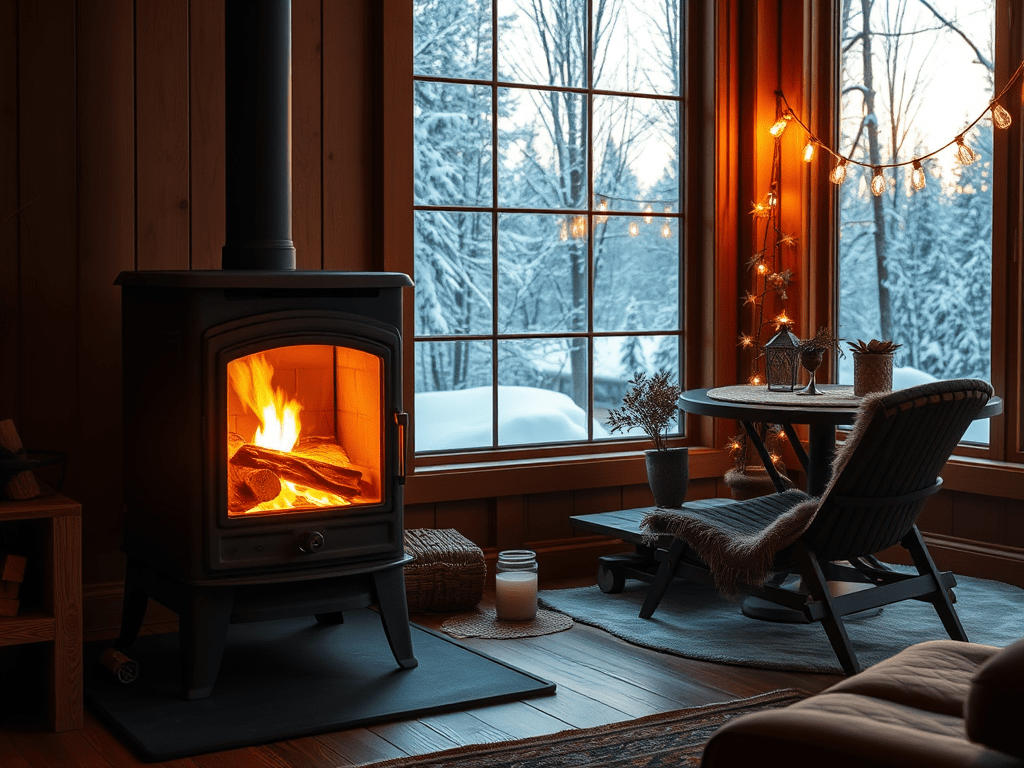
The Warmth of Canadian Wood: A Comprehensive Guide to Heating Your Home
There’s something uniquely comforting about the crackle and glow of a wood fire, especially during Canada’s often harsh winters. Beyond the ambiance, wood can be a practical, economical, and even sustainable heating source. This guide will delve into everything you need to know about using wood to heat your Canadian home, from felling trees to understanding insurance implications.
The Heart of the Matter: Types of Wood and Their Properties
Not all wood is created equal when it comes to producing heat. Hardwoods generally offer higher heat output and a longer burn time due to their density. Softwoods, while burning faster, can be useful for kindling or for a quick boost of heat.
Hardwoods (High Heat, Long Burn):
- Oak: A classic choice, known for its slow burn and high heat output. It produces a pleasant, subtle aroma.
- Maple: Another excellent hardwood, providing good heat and a mild, sweet scent.
- Birch: Burns well and produces good heat, often with a pleasant, slightly sweet aroma.
- Ash: A good all-around hardwood, easy to split and burns cleanly with good heat.
- Hickory: Very dense and hot-burning, often used for smoking meats due to its strong, distinctive aroma.
Softwoods (Faster Burn, Good for Kindling):
- Pine: Burns quickly and produces a lot of sap, which can lead to creosote buildup. Best for kindling or mixing with hardwoods. Has a strong, characteristic pine aroma.
- Spruce: Similar to pine, burns quickly and is not ideal for sustained heat.
- Fir: A relatively good softwood for heat, but still burns faster than hardwoods.
Aroma: While heat is the primary goal, the aroma of burning wood can significantly enhance the experience. Hardwoods generally have more subtle, earthy, or sweet scents, while softwoods like pine or cedar have more pungent, resinous aromas.
From Forest to Firewood: Felling and Processing
Felling a tree is a serious undertaking that requires skill, safety precautions, and the right equipment.
Tree Felling Techniques:
Before felling, assess the tree’s lean, surrounding obstacles, and escape routes. The basic technique involves creating a “notch” or “face cut” on the side the tree is intended to fall, followed by a “back cut” that releases the tree. Always wear appropriate personal protective equipment (PPE) including a hard hat, eye protection, hearing protection, gloves, and chainsaw chaps.
Chainsaws:
Choosing the right chainsaw is crucial.
- Electric Chainsaws: Lighter, quieter, and require less maintenance. Best for smaller tasks and occasional use.
- Gas Chainsaws: More powerful and portable, suitable for felling larger trees and heavy-duty work. Come in various engine sizes and bar lengths.
Splitting Wood:
Once a tree is felled and bucked (cut into manageable lengths), it needs to be split. Splitting exposes more surface area, allowing the wood to dry faster and burn more efficiently.
- Axes: For manual splitting, a splitting maul is ideal. It has a heavier head and a wider wedge shape designed to split wood along the grain. A splitting axe is a lighter alternative for smaller pieces.
- Log Splitters: For larger volumes of wood, a log splitter is a game-changer.
- Manual Log Splitters: Foot-operated or hydraulic pump systems, good for occasional use.
- Electric Log Splitters: Quieter and emit no fumes, suitable for residential use.
- Gas-Powered Log Splitters: Most powerful, designed for heavy-duty commercial or large-scale residential use.
Measuring and Selling Wood:
Firewood is typically sold by the “cord.” A full cord is a stack of wood 4 feet high, 4 feet deep, and 8 feet long (128 cubic feet). It’s important to understand this measurement to ensure you’re getting what you pay for. Prices for a cord of seasoned firewood in Canada can vary significantly based on location, wood type, and time of year, but often range from $250 to $500. Unseasoned (green) wood will be cheaper but needs to dry for 6-12 months before burning efficiently.
Stoves and Savings: Wood vs. Pellet
Both wood stoves and pellet stoves offer efficient ways to heat your home and reduce heating bills compared to traditional electric or fossil fuel systems.
Wood Stoves:
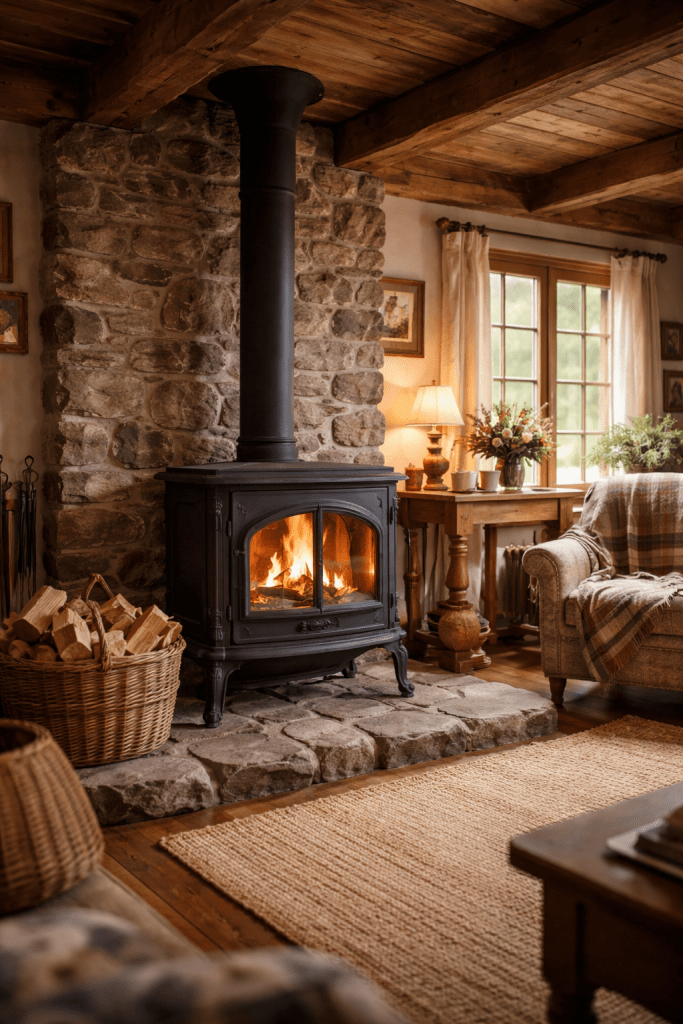
Modern wood stoves are highly efficient, burning wood completely and producing minimal emissions. They provide radiant heat and can heat large areas. The primary fuel is seasoned cordwood.
Pros:
- Independent of electricity (mostly).
- Can be very cost-effective if you source your own wood.
- Produces a charming ambiance.
Cons:
- Requires manual loading and ash removal.
- Requires a dedicated chimney.
- Wood storage space needed.
Pellet Stoves:
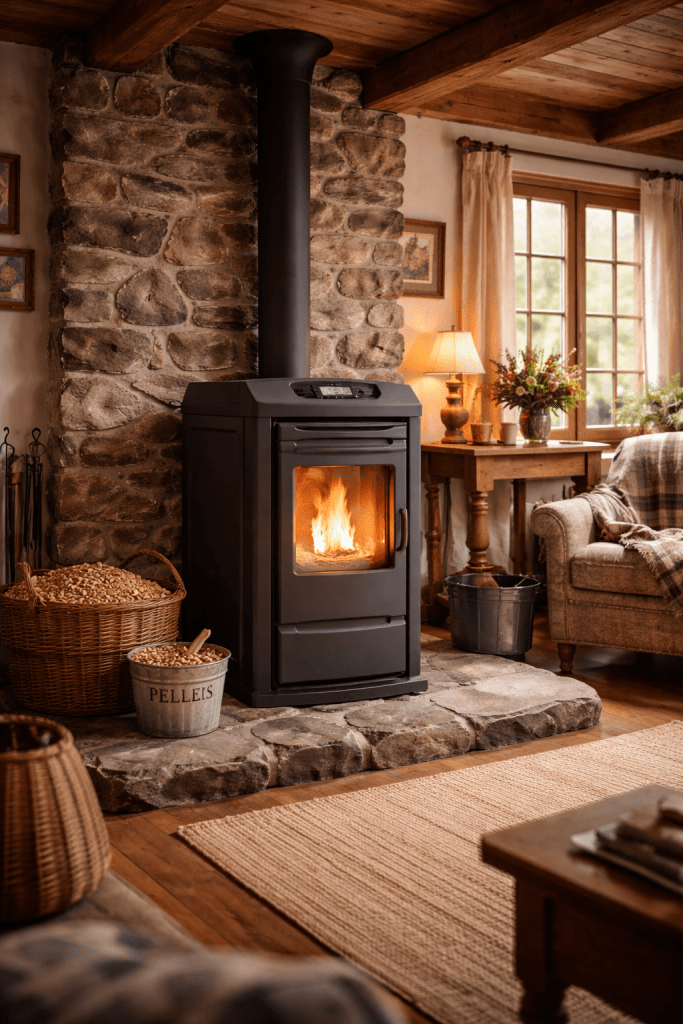
Pellet stoves burn compressed wood pellets, which are fed automatically into the burn chamber. They offer a more consistent heat output and are often thermostatically controlled.
Pros:
- Highly efficient and clean-burning.
- Automated feeding, less manual effort.
- Compact pellet storage.
- Environmentally friendly (pellets are often made from wood waste).
Cons:
- Requires electricity to operate the auger and fan.
- Pellets can be more expensive than cordwood if you don’t source your own wood.
- Less of the “traditional fire” ambiance.
Reducing Heating Bills: Both types of stoves can significantly lower your heating costs, especially if you can access affordable firewood or pellets. They offer zone heating, allowing you to heat the spaces you use most, rather than your entire home.
The Fine Print: Insurance Implications
Installing a wood stove, pellet stove, or even a wood-burning fireplace can impact your home insurance. Insurers view these as potential fire hazards, and you’ll likely need to meet specific requirements to maintain coverage.
Common Insurance Requirements:
- Professional Installation: Many insurers require that the stove or fireplace be installed by a WETT (Wood Energy Technology Transfer) certified professional. WETT certification ensures the installer meets safety and code standards.
- Inspection and Certification: You’ll likely need to provide proof of inspection and certification (often a WETT inspection report) to your insurance provider.
- Clearance to Combustibles: Proper clearance from walls, ceilings, and other combustible materials is paramount for safety and insurance.
- Chimney Maintenance: Regular cleaning and inspection of your chimney or flue by a qualified professional is essential to prevent creosote buildup, a major fire risk.
- Smoke and Carbon Monoxide Detectors: Ensure you have functioning smoke and carbon monoxide detectors, especially near the heating appliance.
- Type of Appliance: Some insurers may have preferences or restrictions on certain types or ages of stoves and fireplaces.
- Increased Premiums: Be prepared for a potential increase in your insurance premiums due to the added risk.
Before You Install:
It is absolutely critical to contact your insurance provider before you install any wood-burning appliance. They can outline their specific requirements, recommended installers, and any potential changes to your policy or premiums. Failing to inform your insurer could lead to denied claims in the event of a fire.
Conclusion
Heating with wood in Canada offers a rewarding blend of practicality, economy, and comfort. By understanding the types of wood, proper processing techniques, the differences between stove types, and crucial insurance considerations, you can safely and efficiently enjoy the warmth and ambiance of a wood fire in your home. Always prioritize safety and consult with professionals for installation and maintenance to ensure a cozy and secure heating experience.
 Canadian Country Life
Leave a comment