
The Real Cost of Rural Property in Canada: 2026 Edition
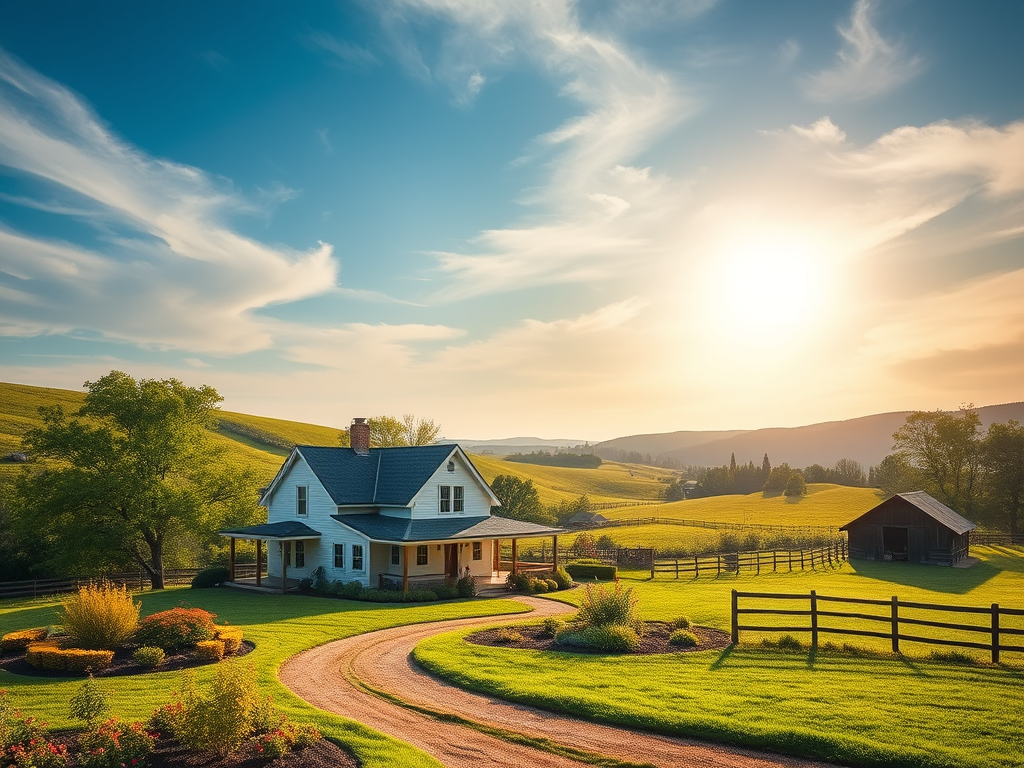
The dream of a quiet life on a few acres of Canadian soil has never been more popular. With remote work remaining a staple of the professional world in 2026, many are trading the “concrete jungle” for rolling hills and pine forests.
However, the sticker price of a rural property is just the tip of the iceberg. Living “off the grid” (or even just at the end of a gravel road) comes with a unique set of financial realities. If you’re planning a move this year, here is the breakdown of what it actually costs to own a piece of the Canadian countryside.
1. The Purchase: Markets in Transition
In 2026, the rural real estate market is seeing a “great correction.” After the pandemic-era peaks, prices in many rural regions—particularly in Ontario and British Columbia—have cooled significantly.
- Correction: In once-booming areas like the Kawarthas or the BC interior, inventory is at record highs, and prices have dropped as much as $300,000 from their 2022 peaks.
- The “Tech Premium”: Properties with verified high-speed internet (98% of Canada is expected to be covered by the end of 2026) and solar-ready infrastructure are commanding a premium over “unplugged” parcels.
2. Infrastructure: You Are the Utility Company
Unlike city living, where “water and sewer” are just line items on a tax bill, rural owners are responsible for their own infrastructure.
- Water Wells: Drilling a new well in 2026 averages between $9,000 and $30,000. Maintenance, including pump checks and water quality testing, adds $150–$350 annually.
- Septic Systems: A new installation can range from $15,000 to $45,000. You should also budget roughly $500–$700 every 3–5 years for pumping and inspections.
- Power Delivery: Even if you’re on the grid, rural “delivery fees” are often higher. In provinces like Ontario, you may pay more just for your postal code. Many 2026 buyers are investing in battery backup or generators ($2,000–$10,000) to combat weather-related outages.
3. Taxes and Incentives
Rural property taxes can be a double-edged sword. While mill rates are often lower than in urban centers, you receive fewer services (no municipal trash pickup or snow removal on your private drive).
- The Farm Advantage: If your land is used for agricultural purposes, you may qualify for the Farm Property Class Tax Rate, which can reduce your property tax to just 25% of the residential rate.
- Conservation Grants: In 2026, new programs offer tax credits for maintaining wetlands or forested areas, potentially saving owners thousands in exchange for land stewardship.
4. Hidden Maintenance & Closing Costs
When budgeting, the “rule of thumb” for rural properties is to set aside 1%–2% of the home’s value annually for maintenance. | Expense | Estimated Cost (2026) | | :— | :— | | Land Survey | $1,000 – $2,000 | | Well/Septic Inspection | $500 – $1,000 | | Title Insurance | $250 – $400 | | Snow Removal Equipment | $1,500 – $5,000 (One-time) |
Pro Tip: Always check if the road leading to your property is “Seasonally Maintained” by the municipality. If it’s private, the cost of a snowplow contract is entirely on you.
Is It Worth It?
Despite the higher “carrying costs,” rural living offers a level of self-sufficiency and peace that a condo simply can’t match. By 2026, the expansion of high-speed satellite internet has solved the biggest hurdle for remote workers, making the “cost of quiet” more manageable than ever.
Leave a Reply