
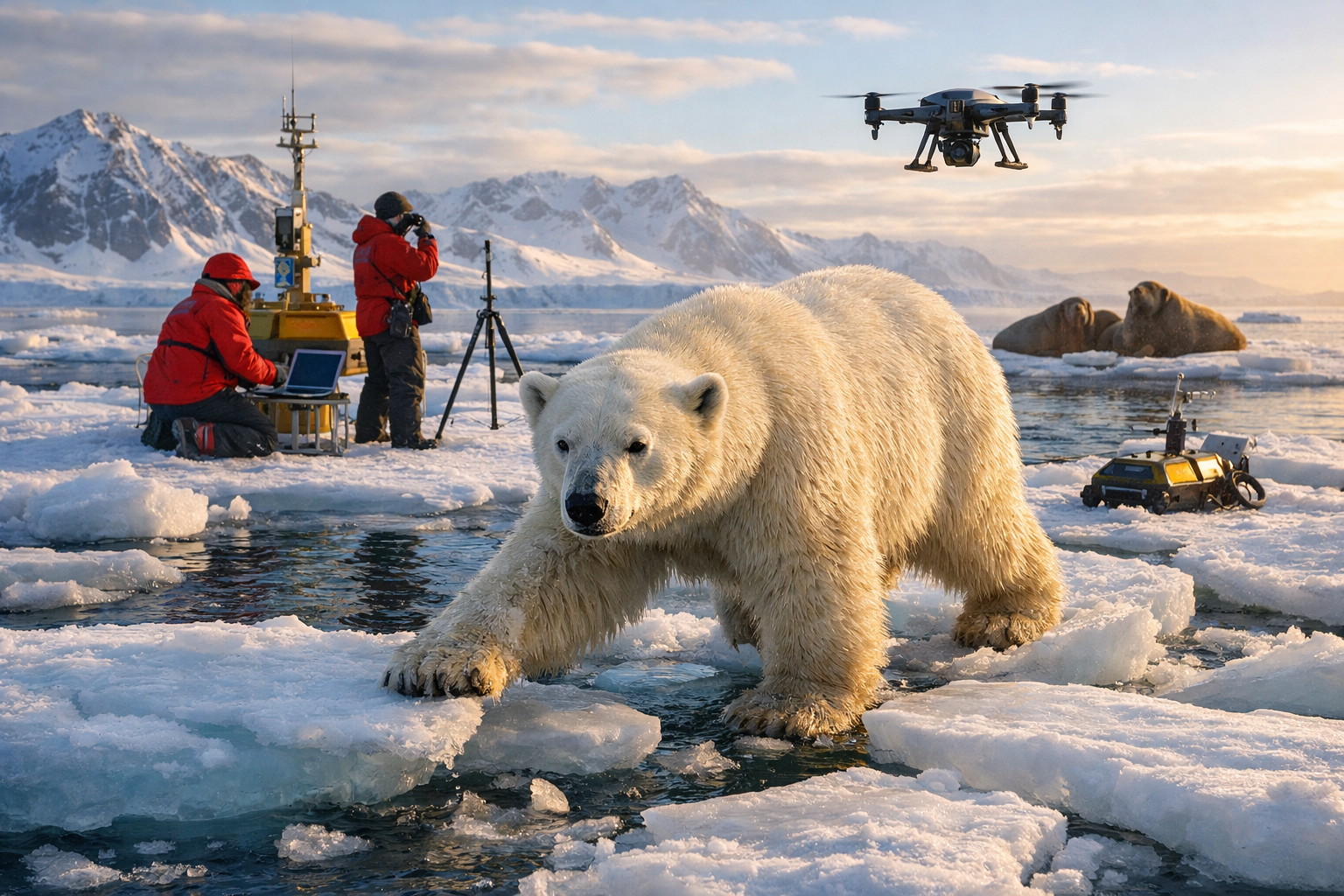
Beyond the Ice: The Real Pulse of Canada’s Arctic in 2026
When most people think of the Canadian Arctic, they imagine a frozen, static wasteland. But as we move through 2026, the reality is far more dynamic. From the bustling streets of Iqaluit to the remote shorelines of Inuvik, life in the North is a masterclass in resilience—a place where ancient tradition meets 21st-century innovation against a backdrop of rapid environmental change.
If you’ve ever wondered what it’s actually like to live where the sun doesn’t set in June and doesn’t rise in December, here is the state of the North today.
The Cost of the Cold: 2026 Realities
Living in the Arctic is undeniably expensive. In 2026, inflation and supply chain shifts continue to hit Northern pockets harder than the rest of Canada.
- The Grocery Bill: While the average Canadian family might spend roughly $1,400 a month on food, families in the Northern Territories are seeing monthly averages closer to $6,800–$7,900 when including all living expenses.
- The “North” Premium: It isn’t uncommon to see a jug of orange juice for $15 or a bag of grapes for $20. This is driven by the sheer logistics of flying freight into communities without year-round road access.
- Housing Pressures: Just like in the south, housing is a critical issue. However, in the North, it’s complicated by permafrost thaw, which can literally shift the foundations of buildings, making new construction both urgent and incredibly complex.
Technology Meets Tradition
Despite the high costs, there is a vibrant “Arctic Modernism” taking hold.
In 2026, you’ll see Inuit hunters using satellite imagery and GPS to track sea ice safety—blending high-tech data with traditional knowledge passed down through generations. Digital connectivity is also transforming the region; with improved satellite internet, young Indigenous creators are sharing their culture, throat singing, and Arctic fashion with global audiences on TikTok and Instagram, bridging the gap between the tundra and the world.
The Land is the Lifeblood
For many residents, the land isn’t just scenery; it’s the grocery store, the church, and the classroom.
- Country Food: Subsistence hunting for caribou, seal, and Arctic char remains vital. It’s not just about nutrition; it’s about food sovereignty. Sharing the “catch” is a cornerstone of community life that keeps the culture’s heart beating.
- Climate on the Doorstep: The Arctic is warming nearly four times faster than the global average. Residents aren’t reading about climate change in the news; they are seeing it in the disappearing ice roads and the changing migration patterns of the animals they rely on.
Why People Stay
If it’s expensive and the climate is harsh, why call the Arctic home? The answer is usually community.
In the North, “neighborly” takes on a new meaning. When a blizzard hits or a boat engine fails, the community rallies. There is a profound sense of freedom in the vastness of the landscape and a deep pride in the 11 official languages of the Northwest Territories and the self-governance of Nunavut.
“Life in the Arctic is shaped by the relationships that have bound communities together for generations. Our strength lies in our resilience.” — Common Northern Sentiment, 2026
Looking Ahead
As we look toward the rest of 2026, the focus is on Northern-led research—from clean energy hubs that reduce reliance on diesel to new housing designs built for a warming tundra. The Arctic isn’t just a place to be “protected”; it is a place of active, innovative living.
Leave a Reply