
Easter in the Great White North: A Guide to Canadian Traditions
The snow finally begins to retreat. The first brave crocuses peek through the thawing soil. Canadians from coast to coast prepare for Easter. In Canada, Easter is a unique blend of deep-rooted religious observance, vibrant multicultural heritage, and secular “spring fever.”
If you’re looking for the best chocolate egg hunts, we have you covered. If you want to understand the cultural significance of a Pysanka, this guide is for you. Here is your comprehensive guide to celebrating Easter in Canada.
1. The Long Weekend Structure
In Canada, Easter isn’t just a day; it’s a four-day event. The key dates are:
- Good Friday: A statutory holiday across nearly all of Canada. Most businesses, schools, and government offices are closed for a day of reflection.
- Easter Saturday: A “transition” day often filled with community events, local farmers’ markets, and last-minute chocolate shopping.
- Easter Sunday: The religious pinnacle of the holiday. While it is not a “statutory” holiday in every province, almost all retail is closed. Families gather for church services. They also enjoy big dinners together.
- Easter Monday: A federal holiday and a school holiday in many provinces (like Ontario and Quebec). In Quebec, employers often choose between giving employees Good Friday or Easter Monday off.
2. Iconic Canadian Traditions
The “Great Canadian” Egg Hunt
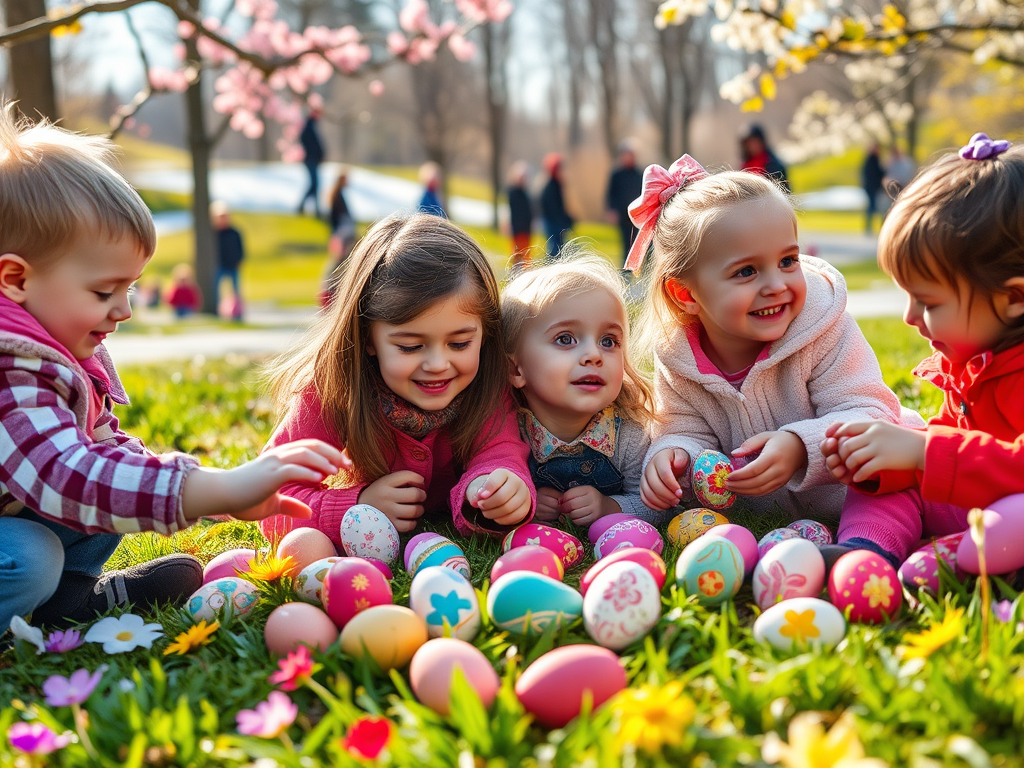
The Easter Egg Hunt is a rite of passage. It starts from the rain-slicked parks of Vancouver. It continues to the still-snowy backyards of Winnipeg. While the “Easter Bunny” hides eggs at home, many Canadian cities host massive community hunts.
- The Toronto Beaches Easter Parade: It is one of the largest in the world. This parade has been running for decades. It features marching bands, floats, and, of course, the Bunny himself.
- The Big Easter Run (Vancouver): A festive run takes place at Jericho Beach. Participants wear bunny ears. They chase a “rabbit” along the scenic waterfront.
The Ukrainian Connection: Pysanka
Canada has a very large Ukrainian population, and their influence on Easter is profound. The Pysanka—an intricately decorated egg using a wax-resist method—is a staple of Canadian Easter culture.
Fun Fact: Vegreville, Alberta, is home to a massive Pysanka—a giant aluminum sculpture that stands over 30 feet tall!
3. The Easter Feast: What’s on the Table?
Canadian Easter food is a mosaic of European influences and local ingredients.
| Dish | Description | Why It’s Canadian |
| Maple Glazed Ham | The most common main course. | Frequently glazed with real Canadian maple syrup for a sweet, caramelized crust. |
| Roast Lamb | A traditional choice for many families. | Often served with mint sauce or spring vegetables like asparagus. |
| Hot Cross Buns | Spiced sweet buns with a cross on top. | A British import that is now a mandatory grocery store staple across Canada in the spring. |
| Tourtière | A spiced meat pie. | Particularly popular in Quebec, often served during the temps des sucres (sugar shack season) which overlaps with Easter. |
4. Regional Highlights
- Quebec & Acadia: Some communities still observe Mi-Carême (Mid-Lent), a festive break from fasting involving masks and traditional music.
- The Maritimes: You’ll often find fresh Atlantic salmon appearing on Easter menus as a “Friday” alternative to meat.
- British Columbia: Because of the milder climate, Easter here is synonymous with gardening. “Cherry Blossom” festivals occur as the flowers are usually in full bloom.
5. Secular vs. Religious Observance
While many Canadians attend church services (including sunrise services and late-night vigils), the holiday has a massive secular following. For many, it simply marks the “Rebirth of Spring.” It is a time for “Sugar Shacking” (visiting maple farms), spring cleaning, and enjoying the extra-long weekend. Even those who do not attend mass share in the tradition of exchanging chocolate bunnies. They appreciate the “spring colors” of pastel pink, yellow, and green.
Pro-Tip:
The weather across Canada can be unpredictable during the spring. If you’re planning an outdoor egg hunt, have a “snow plan” ready. In Canada, Easter “boots” are just as common as Easter “bonnets”!
Leave a Reply