
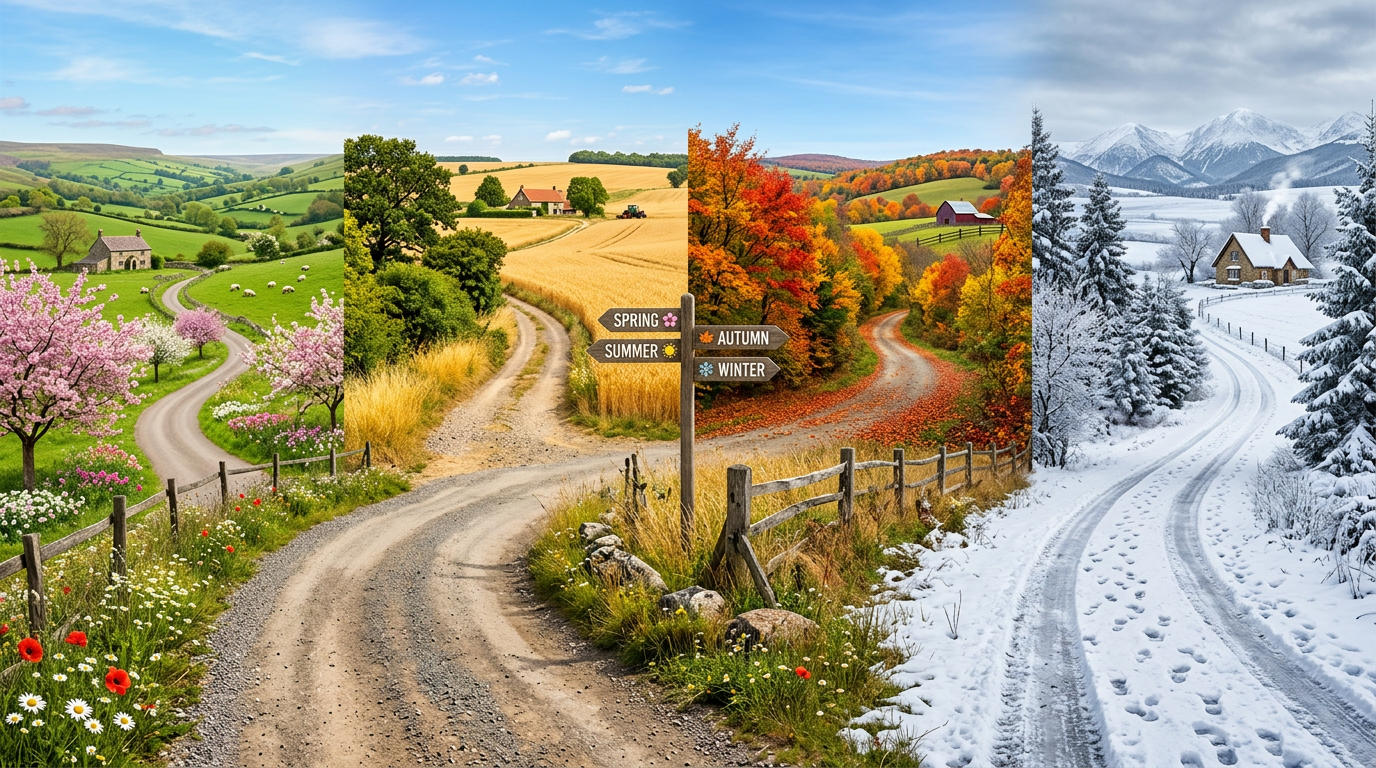
Are Canadians Losing Their National Identity?
For generations, Canada has been known for its strong sense of identity—polite, resilient, multicultural, and proudly independent from global influence. But in recent years, many Canadians have started asking a difficult question:
Are we losing what makes us uniquely Canadian?
From shifting cultural values to economic pressures and political polarization, the idea of a shared national identity seems less clear than ever before. This isn’t about nostalgia—it’s about understanding what’s changing, why it matters, and what the future might look like.
What Is Canadian Identity, Really?
Canadian identity has never been defined by a single trait. Instead, it has historically been shaped by a combination of values:
- Respect for diversity and multiculturalism
- A strong social safety net
- Pride in natural landscapes and rural life
- A quieter, more diplomatic global presence compared to the United States
- Deep ties to both United Kingdom traditions and Indigenous heritage
Government-backed multiculturalism policies, introduced in 1971, helped formalize Canada’s identity as a cultural mosaic rather than a melting pot.
According to Statistics Canada, immigration continues to be a major driver of population growth, with newcomers bringing diverse traditions, languages, and perspectives that shape modern Canadian life.
👉 Related read: https://canadiancountrylife.ca/my-opinions-and-outlooks/
The Shift: Why Identity Feels Different Today
1. Rapid Population Growth Through Immigration
Canada’s aggressive immigration targets are reshaping demographics at an unprecedented pace.
According to federal projections from Immigration, Refugees and Citizenship Canada, the country aims to welcome hundreds of thousands of new permanent residents annually.
While immigration has always been part of Canada’s identity, the speed of change is raising questions:
- Can integration keep up?
- Are Canadian values being preserved—or diluted?
- What does “Canadian” even mean anymore?
This isn’t about opposition—it’s about balance.
2. Economic Pressures Are Changing Priorities
Rising housing costs, inflation, and wage stagnation are shifting how Canadians see themselves.
Cities like Toronto and Vancouver have become some of the least affordable in the world.
As people struggle to get ahead, traditional Canadian optimism is being replaced by frustration:
- Younger generations feel locked out of home ownership
- Rural vs urban divides are growing
- Economic stress is eroding community cohesion
👉 Related read: https://canadiancountrylife.ca/home-ownership-crisis-canada/
3. Cultural Influence from the United States
Canada has always lived in the shadow of American media—but today, that influence is stronger than ever.
Streaming platforms, social media, and digital culture mean Canadians consume more American content than Canadian.
The result?
- Canadian voices are harder to distinguish
- Cultural norms are blending
- Political discourse is becoming more polarized
Even debates around healthcare, free speech, and governance are increasingly mirroring American narratives.
4. Declining Trust in Institutions
Canadian identity has long been tied to trust in government, healthcare, and public systems.
But recent years have shaken that trust:
- Pandemic policies divided communities
- Government spending and taxation debates are intensifying
- Confidence in leadership is declining
Organizations like Angus Reid Institute have reported growing dissatisfaction among Canadians regarding the direction of the country.
5. Regional Identity Is Getting Stronger
Instead of one unified identity, Canada may be fragmenting into regional identities:
- Western alienation in Alberta
- Cultural preservation in Quebec
- Economic concerns in Atlantic Canada
- Urban vs rural divides nationwide
This shift raises an important question:
Is Canada becoming a collection of regions rather than a unified nation?
Are We Losing Identity—or Redefining It?
Here’s the key point most people miss:
Canada has always evolved.
From Indigenous roots to French and British influence, to waves of immigration from around the world—Canadian identity has never been static.
What feels like “loss” may actually be transformation.
But transformation comes with risks:
- Losing shared values
- Weakening national unity
- Replacing identity with convenience or global sameness
What Still Makes Canada… Canada?
Despite all the change, there are still core elements that define this country:
- Universal healthcare
- Freedom and safety
- Respect for diversity
- Strong communities (especially outside major cities)
- Deep connection to land and nature
The challenge isn’t that these values are gone—it’s that they’re being tested.
The Real Question Canadians Should Be Asking
Instead of asking:
“Are we losing our identity?”
We should be asking:
“What do we want Canadian identity to be moving forward?”
Because identity isn’t something you lose overnight—it’s something you either protect, adapt, or neglect over time.
Final Thoughts
Canada stands at a crossroads.
We are more diverse, more connected, and more globally influenced than ever before—but also more divided, more pressured, and more uncertain.
Whether Canadian identity is fading or evolving depends on one thing:
What Canadians choose to value, preserve, and pass on.
Sources
- Statistics Canada – https://www.statcan.gc.ca
- Immigration, Refugees and Citizenship Canada – https://www.canada.ca/en/immigration-refugees-citizenship.html
- Angus Reid Institute – https://angusreid.org
Leave a Reply