
Climate Change and Canada’s Future Advantage: A Realistic Look at Opportunity in Crisis
Introduction
Climate change is often framed as an existential threat—and rightly so. Rising temperatures, extreme weather, and shifting ecosystems are already reshaping the planet. But while much of the global conversation focuses on risk, there’s another side that deserves attention: Canada may be uniquely positioned to benefit in certain ways from a warming world.
This isn’t about minimizing the dangers. It’s about understanding the full picture—because for Canada, climate change could bring both serious challenges and strategic advantages.
Canada’s Geographic Advantage in a Warming World
Canada is the second-largest country on Earth, with vast land, freshwater reserves, and relatively low population density. As global temperatures rise, these factors become increasingly important.
Longer Growing Seasons
Warmer temperatures are already extending agricultural seasons across parts of Canada, particularly in:
- Northern Ontario
- The Prairie provinces
- Interior British Columbia
This shift could allow:
- Increased crop yields
- Expansion into new agricultural zones
- Greater food security
According to Agriculture and Agri-Food Canada, climate projections suggest that some regions may see significant increases in viable farmland.
👉 Source: https://agriculture.canada.ca
Freshwater: Canada’s Most Underrated Asset
Canada holds roughly 20% of the world’s freshwater supply. As water scarcity becomes a global crisis, this resource will become increasingly valuable.
Key implications:
- Stronger agricultural resilience
- Strategic geopolitical leverage
- Increased demand for Canadian exports
Water shortages are already impacting regions like California, parts of Europe, and Asia. Canada’s abundance could position it as a global stabilizer.
👉 Source: https://www.nrcan.gc.ca
The Arctic: A New Economic Frontier
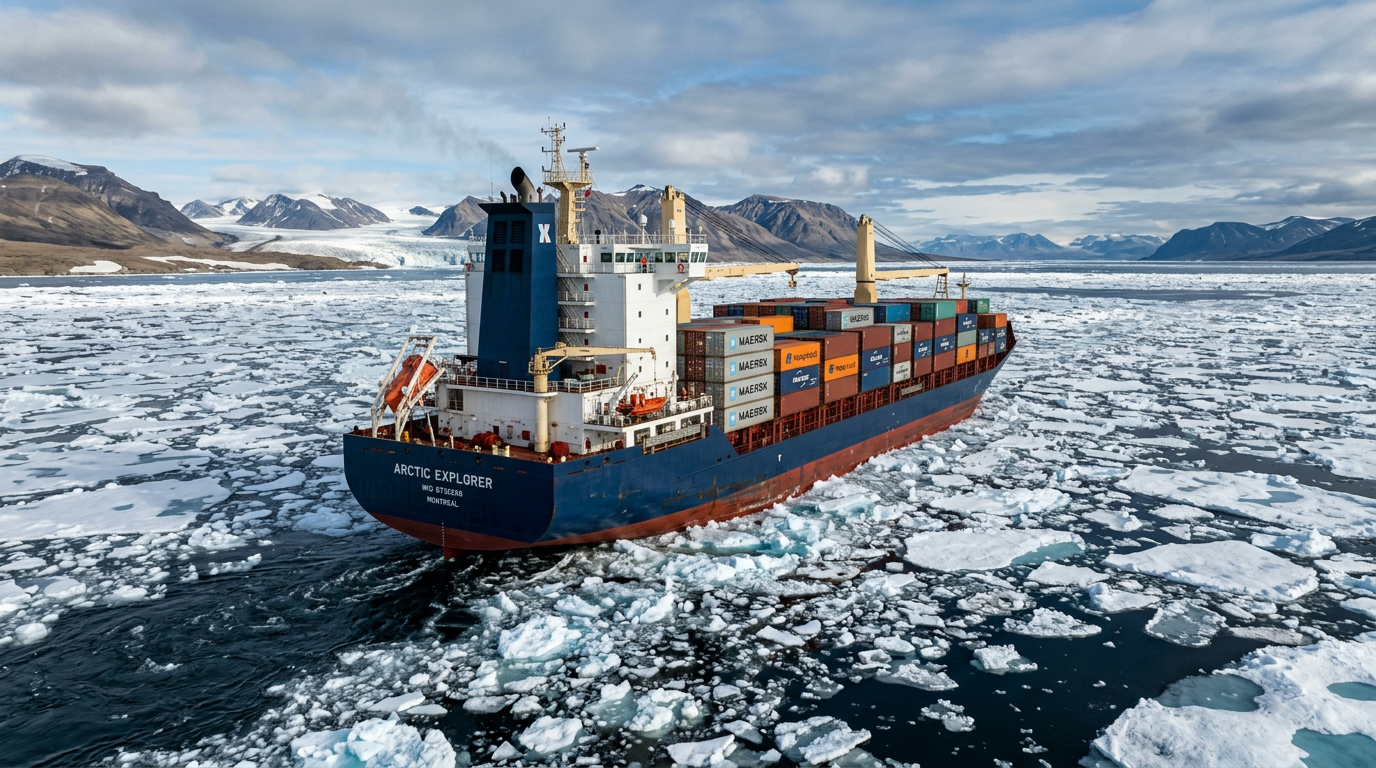
As Arctic ice melts, new opportunities—and risks—are emerging.
Shipping Routes
The Northwest Passage could become a viable trade route, significantly shortening shipping distances between:
- Asia and Europe
- North America and global markets
Resource Access
The Arctic is believed to contain:
- Oil and natural gas reserves
- Rare earth minerals
- Untapped fisheries
However, development must be balanced with environmental protection and Indigenous rights.
👉 Learn more: https://www.canada.ca/en/services/environment/weather/climatechange.html
Energy Transition: Canada’s Competitive Edge
Canada is already a leader in clean energy production, with strengths in:
- Hydroelectric power
- Nuclear energy
- Emerging hydrogen technologies
As the world transitions away from fossil fuels, Canada has the infrastructure and expertise to lead.
Opportunities Include:
- Exporting clean electricity to the U.S.
- Becoming a hydrogen superpower
- Expanding battery and EV supply chains
👉 Related internal post:
What Makes Canada Different Than the Rest of the World
Climate Migration: Population Growth Potential
As regions near the equator become less livable due to heat and water scarcity, migration patterns are expected to shift.
Canada could become a top destination because of:
- Moderate climate zones
- Political stability
- Resource availability
This could help address:
- Labour shortages
- Aging population
- Economic growth challenges
However, infrastructure and housing will need to keep pace.
👉 Related internal post:
Cost of Living in Canada
The Risks Canada Can’t Ignore
It’s not all upside. Canada is already experiencing serious climate-related impacts:
Wildfires
British Columbia and Alberta have seen increasingly destructive wildfire seasons.
Flooding
Urban and rural flooding is becoming more frequent, particularly in:
- Quebec
- Ontario
- Atlantic Canada
Northern Infrastructure Damage
Permafrost thaw is damaging roads, pipelines, and buildings in northern communities.
Economic Positioning: A Strategic Opportunity
If managed correctly, Canada could position itself as a global leader in climate resilience and sustainability.
Key Strategies:
- Investing in climate-resilient infrastructure
- Supporting innovation in clean tech
- Protecting natural resources
- Strengthening rural and northern development
This aligns closely with themes discussed in:
👉 Real Talk About Canada
The Bottom Line
Climate change is not a “win” for any country—but Canada may be better positioned than most to adapt and even capitalize on certain shifts.
The real question is not whether Canada has advantages—it’s whether we’ll use them wisely.
- Will we protect our resources?
- Will we invest in the future?
- Will we balance growth with sustainability?
Canada’s future won’t be defined by climate change alone—but how we respond to it could shape the country for generations.
Leave a Reply