
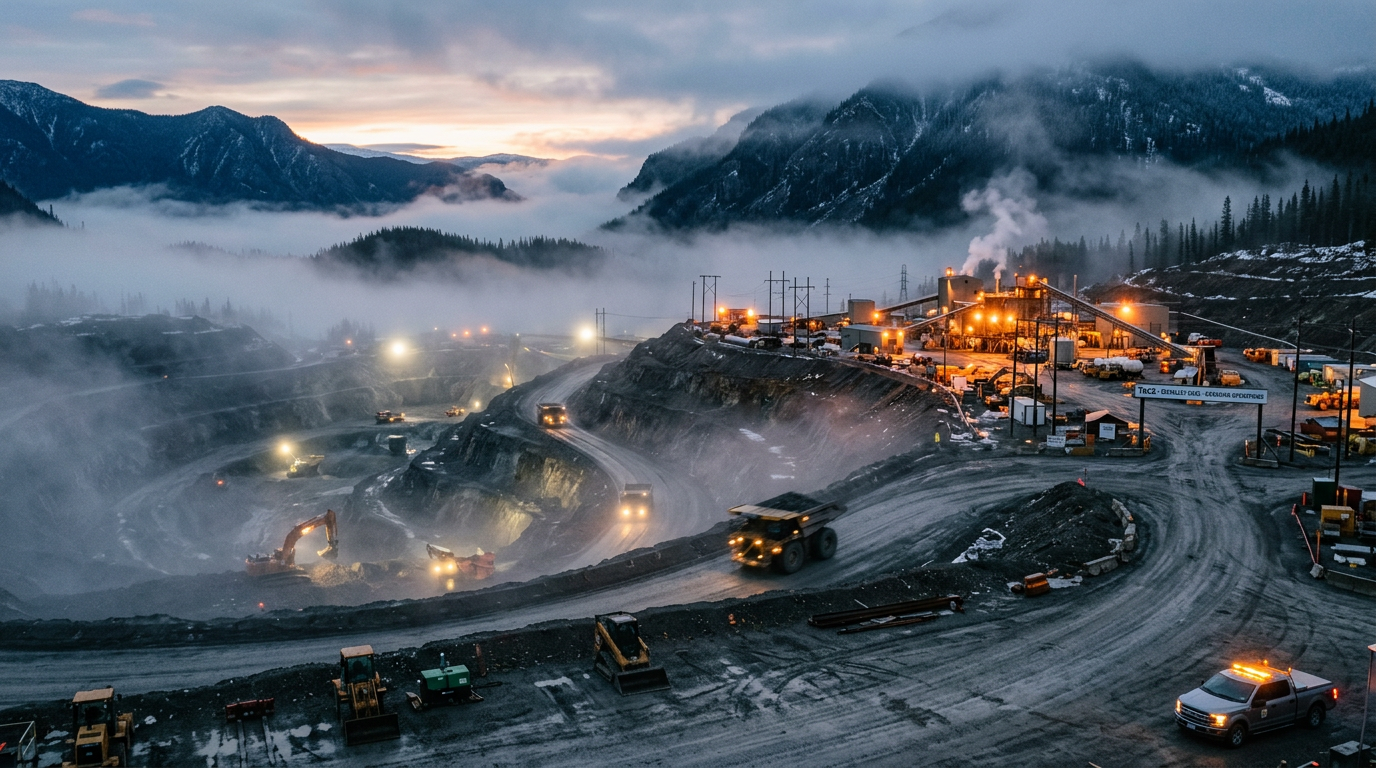
Canada’s mining industry is undergoing a massive, era-defining evolution. Driven by the global push for critical minerals like lithium, copper, and nickel—essential for the green energy transition—as well as record-high gold prices, national mining employment has climbed past 100,000 for the first time on record.
Canadian Mining Report
With the federal Mining and Minerals Workforce Alliance stepping up and provincial projects getting fast-tracked, Canada is facing its most acute labour shortage in a generation. The Mining Industry Human Resources Council (MiHR) projects that the sector will need to hire up to 256,000 new workers over the next decade to cover expansions and upcoming retirements.
Canadian Mining Report+ 1
Whether you are looking to pivot your career or are just curious about the sector, here is an in-depth breakdown of what mining in Canada looks like, who they are hiring, and the real pros and cons of the lifestyle.
🛠️ The Most In-Demand Jobs Right Now
Gone are the days when mining just meant swinging a pickaxe. Today’s Canadian mines are high-tech ecosystems looking for everything from traditional Red Seal trades to software developers.
Canadian Mining Report
1. Skilled Trades & Heavy Equipment Operators
Mines cannot function without the people who move the rock and keep the multi-million-dollar machinery running. Because these roles require portable, Red Seal-certified skills, many workers from the slowing residential construction sector are successfully pivoting into these jobs.
Canadian Mining Report
- Heavy-Duty Mechanics & Millwrights: Fixing massive haul trucks or crushers.
- Heavy Equipment Operators: Driving everything from loaders to automated haul trucks.
- Electricians & Instrumentation Technicians: Managing complex surface and underground power grids. Canadian Mining Report
2. Engineering & Geoscience
Finding the minerals and designing a safe way to extract them requires highly specialized brains.
- Geoscientists / Exploration Geologists: Mapping out exactly where mineral deposits sit.
- Mining Engineers: Planning the layout, ventilation, and structural safety of open-pit or underground operations.
3. Tech & Automation Specialists
Modern mining relies heavily on automated fleets, artificial intelligence, and remote monitoring.
- Data Scientists & Systems Analysts: Designing models to optimize drilling or handling the network infrastructure that connects automated equipment deep underground.
💰 The Benefits: Why Canadians are Flocking to the Mines
There is a reason mining positions are fiercely competitive despite the demanding environment.
Premium Compensation
Mining remains one of the highest-paying sectors in the country. Entry-level general labourers often start well above standard industrial wages, while ticketed trades and engineers easily command six-figure salaries right out of the gate. Overtime opportunities and performance bonuses are standard.
Unbeatable “Block” Time Off
Most remote mines operate on a Fly-In, Fly-Out (FIFO) schedule. Common rotations include 2 weeks on, 2 weeks off, or 4 days on, 4 days off. When you are “off,” you are completely off. Having a full 14 consecutive days of freedom every month allows for a level of travel and family time that a standard 9-to-5 job simply cannot match.
Low Cost of Living While on Site
When you are at work, your expenses drop to zero. Mining companies fly you in from designated hubs, feed you three hot meals a day in massive cafeteria-style camps, and provide private accommodations—frequently featuring gyms, game rooms, and high-speed internet. This allows workers to save a massive percentage of their earnings.
🛑 The Setbacks: The Reality of the Mining Lifestyle
While the money is excellent, the lifestyle demands significant sacrifice.
Isolation and Strain on Relationships
Missing birthdays, anniversaries, and casual weekend hangouts is part of the job. Being physically isolated in places like Northern Ontario, the BC interior, or Nunavut means you rely entirely on video calls to stay connected to home. The rotation lifestyle can be tough on spouses and families.
Harsh Working Conditions
Canada’s geography means dealing with extreme elements. In the winter, surface miners deal with bone-chilling sub-zero temperatures and brief hours of daylight. For underground roles, you are working in confined, dark, damp spaces for 12 hours a shift. It is physically taxing work that demands elite safety discipline to prevent accidents.
Market Volatility
Mining is inherently cyclical. While we are currently in a structural boom due to critical minerals and gold, a sudden drop in global commodity prices can lead to rapid budget cuts, project freezes, or sudden layoffs.
Outpost Recruitment+ 1
🧭 How to Get Your Foot in the Door
If you are thinking about making the jump, you do not necessarily need a degree in mining.
- Leverage Transferable Skills: If you have experience in commercial construction, forestry, or heavy manufacturing, your safety mindset and mechanical skills are highly valued. Canadian Mining Report
- Get Your Certifications: For underground work, completing a provincial “Mining Common Core” program is a massive advantage. Having basic safety tickets like First Aid, WHMIS, and Fall Protection is often mandatory.
- Look to Specialized Job Boards: Websites like Careermine and Outpost Recruitment focus specifically on Canadian resource sectors and are great places to spot who is actively hiring. Outpost Recruitment
Ultimately, Canadian mining provides a rugged but deeply rewarding path to financial stability. If you can handle the extreme weather and the time away from home, it offers a career at the absolute forefront of global technology and the energy transition.
Leave a Reply